
Rugs also provide an easy way to refresh an interior as your style changes. You can introduce colour with a blue rug living room scheme, create a calm bedroom with a grey bedroom rug, or choose a practical small mat where space is limited. The key is to match the rug’s size, material, colour and placement with the room and how you use it.
How to Choose Rugs for Different Rooms
The best rugs are not simply attractive. They should also suit the size, furniture arrangement and practical demands of the room. A large living area may need a substantial rug to visually anchor a seating arrangement, while a bedroom may benefit from a softer design positioned around the bed.
Before buying, measure the available floor space and consider where doors open, where furniture sits and how much floor you want to leave visible. This simple planning step can prevent a rug from looking either lost in a large room or overwhelming in a smaller one.
It is also useful to consider the rest of your décor. If your room already contains bold furniture, patterned curtains or statement lighting, a simpler rug can create balance. If the room is relatively neutral, a colourful or textured rug can become an important decorative feature.
Rugs for Living Rooms
Living rooms are among the most versatile spaces for rugs. A rug can define the seating area, soften hard flooring and introduce a stronger sense of cohesion between sofas, chairs and tables.
Cream Rugs for Living Room Spaces
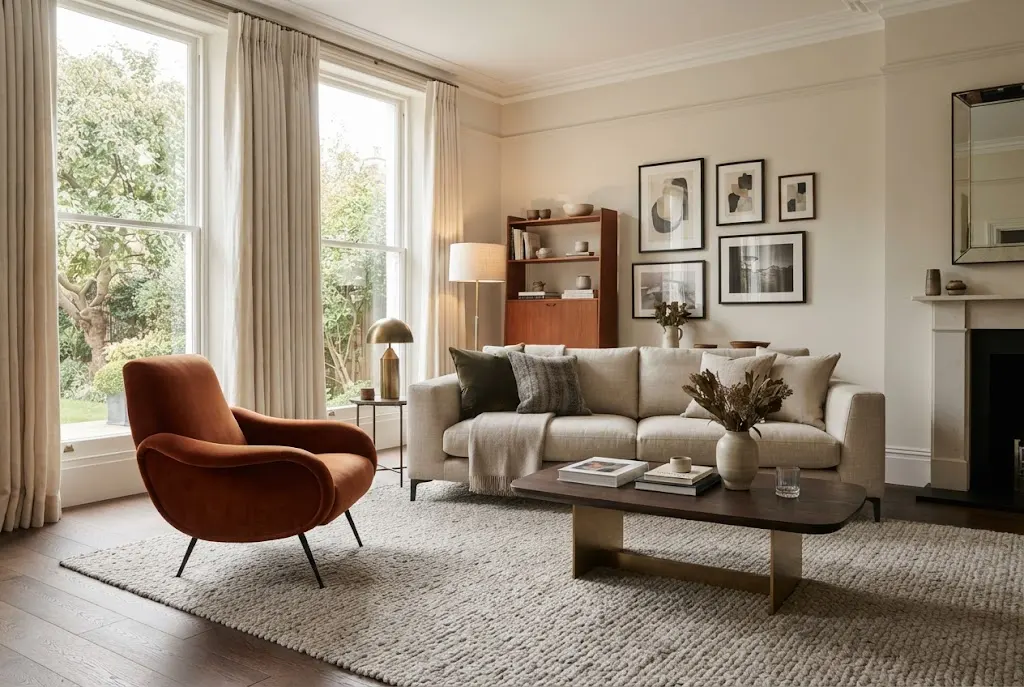
Cream rugs for living room schemes are particularly useful when you want a bright, relaxed and adaptable interior. The Cream works well with natural wood, neutral upholstery and a wide range of accent colours.
A cream rug can also make a room feel visually lighter. However, because pale colours can show marks more easily, consider the amount of foot traffic the room receives before choosing a very light design.
Creating a Blue Rug Living Room Look
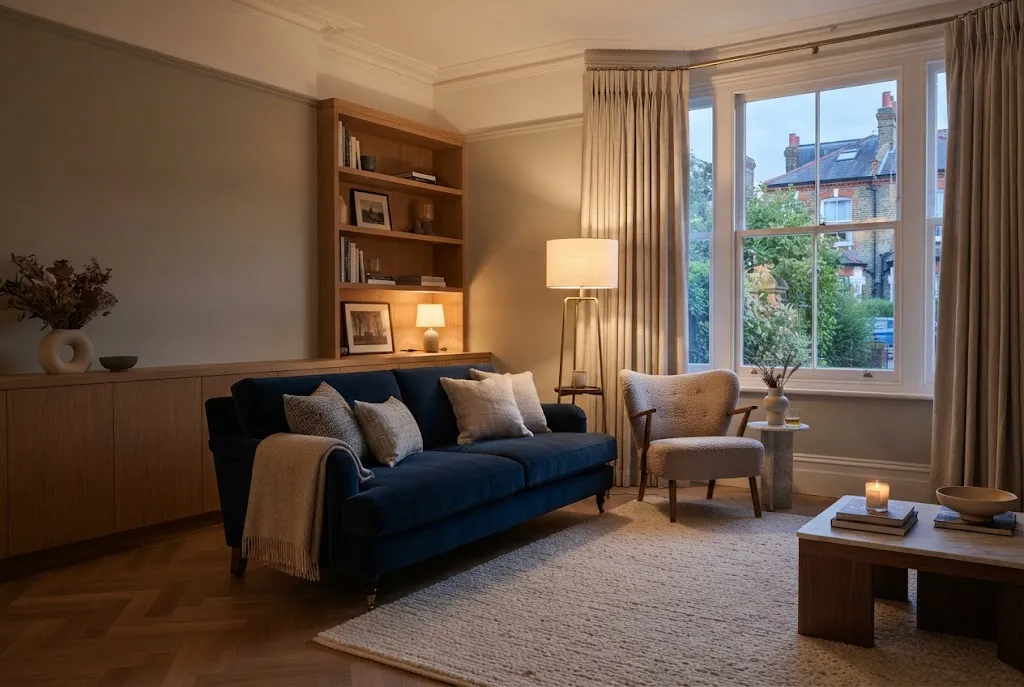
A blue rug living room arrangement can introduce colour without requiring you to repaint the walls or replace larger pieces of furniture. Deep blue designs can create a more dramatic appearance, while softer shades can contribute to a relaxed atmosphere.
For a coordinated room, pick one or two colours from the rug and repeat them through cushions, artwork, throws or smaller decorative accessories. This makes the rug feel like part of the overall scheme rather than an isolated feature.
Choosing the Right Rug Size
Size is one of the most important considerations when choosing rugs. A beautiful design can still look out of place if it is too small for the furniture arrangement.
Is a 160×230 Rug a Good Size?
A 160×230 rug can work particularly well in medium-sized rooms. It offers enough coverage to create a defined area without necessarily dominating the entire floor.
In a living room, this size can work beneath a coffee table and within a seating arrangement, depending on the dimensions of the furniture. In bedrooms and other spaces, it can provide a comfortable visual boundary while leaving some surrounding flooring visible.
Always measure the room rather than choosing a size based solely on appearance online. The relationship between the rug and surrounding furniture is what ultimately determines whether the finished arrangement feels balanced.
Grey Bedroom Rug Ideas
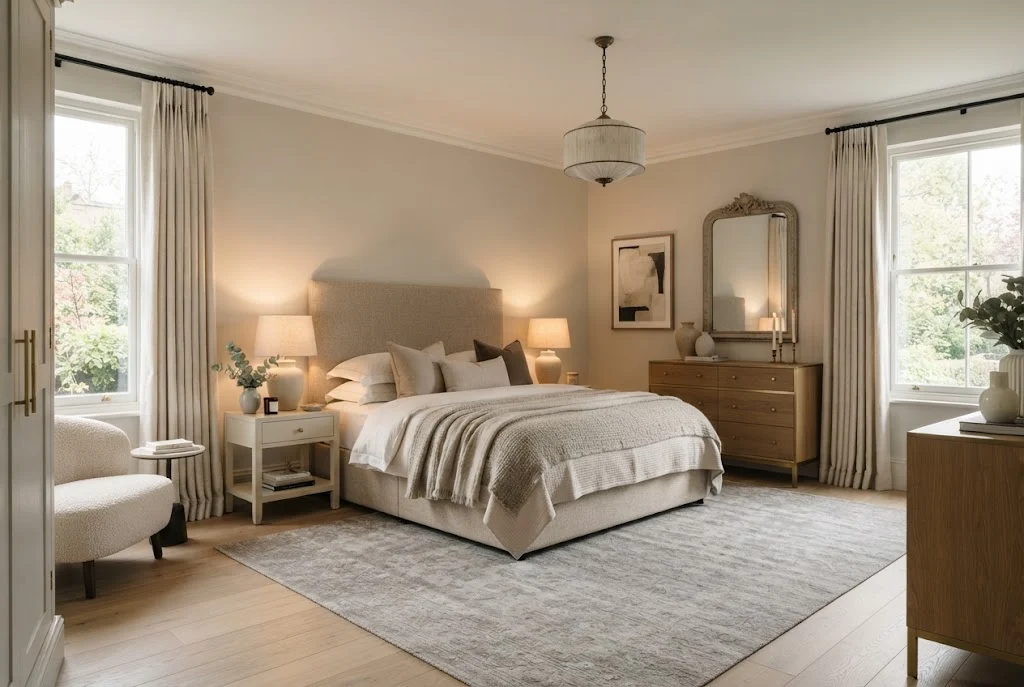
A grey bedroom rug is a practical option for creating a calm and understated sleeping environment. Grey works with white, cream, beige, black and many muted colours, making it relatively easy to incorporate into an existing bedroom.
For a softer appearance, look for a rug with a subtle texture or a combination of grey tones. A deeper grey can create contrast against a light floor, while a pale grey can blend more gently with neutral interiors.
Bedroom rugs can also make getting out of bed more comfortable by adding softness underfoot. If you are planning a wider bedroom update, coordinate the rug with your bedroom furniture and bedside pieces so the room has a consistent visual style.
Small Bedroom Mats for Compact Spaces
Small bedroom mats are useful when a full-size rug would take up too much floor space. They can be positioned beside the bed, at the foot of the bed or in another practical area where you want additional softness.
When choosing small bedroom mats, consider the shape of the available floor area. A rectangular mat may suit a narrow space beside the bed, while a compact round design can soften a corner or create a decorative focal point.
There is no need to cover every part of the floor. In smaller bedrooms, leaving some flooring visible can actually help the space feel more open.
Bathroom Mats: Practicality Meets Style
Bathrooms require a different approach because moisture and frequent use make practicality especially important. A suitable bath mat should complement the room while being appropriate for a damp environment.
Bathroom Wooden Bath Mat
A bathroom wooden bath mat can create a natural, spa-inspired appearance and works particularly well with timber-effect furniture, neutral tiles and earthy colour palettes. Its structured appearance can also provide a contrast against smooth bathroom surfaces.
However, bathroom flooring can become slippery when wet. Choose a mat that is appropriate for the intended environment and follow the manufacturer’s care and placement guidance. The NHS guidance on preventing falls also highlights the importance of reducing avoidable trip and slip hazards at home.
Colourful Bath Mat Ideas
A colourful bath mat is an easy way to introduce personality into a neutral bathroom. Rather than changing tiles or replacing fixtures, you can use colour through textiles and accessories.
For a coordinated look, choose a bath mat that picks up a shade already present in the bathroom. A colourful design can work particularly well with white or neutral walls because it becomes a clear decorative accent.
How Rugs Work with Curtains and Other Soft Furnishings
Rugs are most effective when considered alongside the other soft furnishings in a room. Curtains, for example, occupy a large visual area and can influence how the colour and texture of a rug are perceived.
If you are creating a complete living room refresh, consider your curtains alongside the rug rather than selecting each item independently. A neutral rug can balance patterned curtains, while a patterned rug may work better with simpler window treatments.
Colour does not need to match exactly. Instead, look for complementary tones and repeated shades. A cream rug could work with warm neutral curtains, while a blue rug could connect with blue-grey or muted accent tones elsewhere in the room.
Pairing Rugs with Accent Chairs
Furniture placement can make a significant difference to how a rug looks. Accent chairs can sit partially or completely within a rug’s boundaries, helping create a defined reading, conversation or relaxation area.
If you are adding accent chairs to a living room, consider the rug and chair together. A patterned chair can be paired with a quieter rug, while a simple upholstered chair gives you more freedom to introduce pattern or colour underfoot.
The same principle applies in bedrooms. A small chair positioned beside a bedroom rug can create a useful dressing or reading corner without making the room feel crowded.
Creating a Complete Interior with Lighting
Lighting can change the way rug colours and textures appear throughout the day. Warm artificial lighting may make cream and beige tones appear richer, while daylight can reveal subtle variations in colour and pattern.
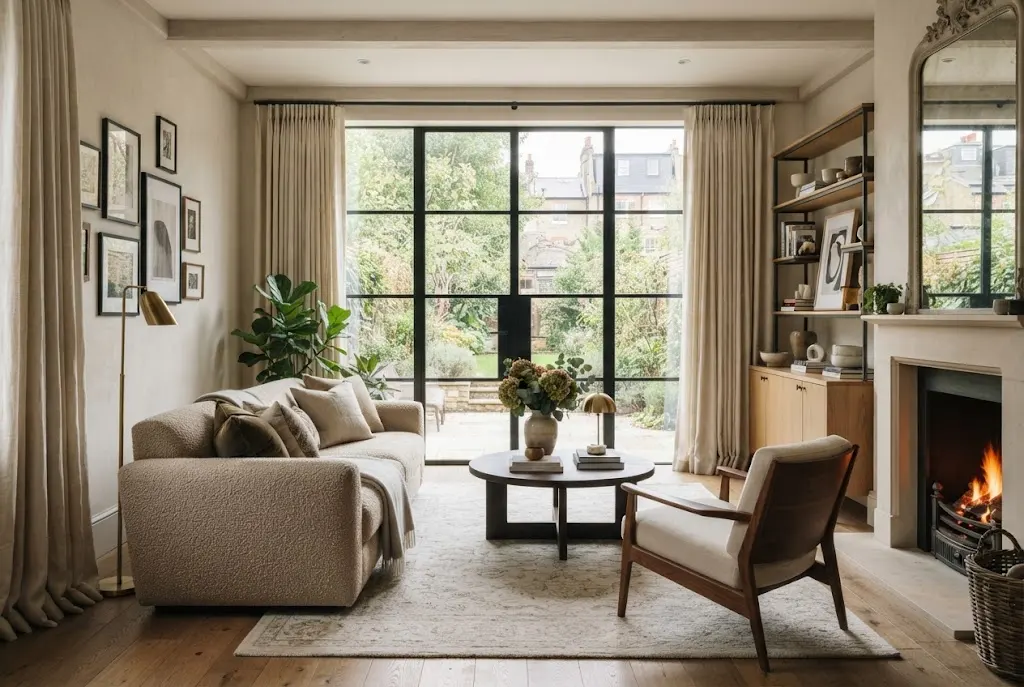
For a coordinated room makeover, consider positioning a floor lamp near a seating area or reading corner. The combination of a rug, comfortable chair and well-positioned lighting can create a clearly defined zone within a larger room.
What to Consider Before Buying Rugs
Before choosing a rug, consider five basic factors: size, colour, material, placement and maintenance. These decisions are more important than simply choosing a design that looks attractive in a product photograph.
- Measure first: Check the available floor space and furniture arrangement.
- Think about traffic: High-use areas may need durable and easy-care materials.
- Match the room: Consider existing flooring, furniture, curtains and accessories.
- Plan placement: Make sure doors, drawers and walkways remain practical.
- Consider maintenance: Choose a finish and material that suit your household.
It is also worth thinking about how the room may develop over time. A neutral rug can provide flexibility if you expect to change furniture or décor later, whereas a distinctive colourful design can become a stronger focal point.
Final Thoughts on Choosing Rugs
The right rugs can bring together colour, furniture and flooring while making a home feel warmer and more finished. From cream rugs for living room interiors and blue rug living room schemes to a grey bedroom rug, 160×230 rug designs and practical small bedroom mats, there are options for almost every space.
For bathrooms, a suitable bathroom wooden bath mat or colourful bath mat can add character while serving a practical purpose. The most successful choice is ultimately the one that fits the room’s dimensions, complements its existing décor and works for the way the space is used every day.
Rather than treating a rug as an isolated purchase, consider it as one part of the wider interior. Coordinate it with curtains, accent chairs, bedroom furniture and lighting, and even a simple change underfoot can help create a more cohesive home.