
An elegant home does not need to be filled with expensive furniture, complicated decorations, or the latest interior trends. In many cases, the most attractive interiors are created through simple choices that combine comfort, proportion, color, texture, and functionality.
A well-designed home should feel welcoming as well as visually appealing. By choosing furniture carefully, maintaining a consistent color palette, and avoiding unnecessary clutter, you can create an interior that feels sophisticated without becoming difficult to maintain.
Begin With a Simple Design Direction
Before changing a room, decide what overall feeling you want to create. Modern, minimalist, contemporary, traditional, and transitional interiors can all look elegant when the individual elements work together.
Having a clear direction makes furniture and decoration choices easier. Instead of buying individual items simply because they look attractive, consider whether each piece contributes to the overall atmosphere.
A simple design direction also prevents the room from becoming visually confused. Consistency is often more important than the number of decorative elements.
Prioritize Comfort and Functionality
Elegance should never come at the expense of comfort. A beautiful room that is uncomfortable to use will quickly become impractical.
Think about how your family spends time in the room. If the living room is mainly used for relaxing and entertaining, comfortable seating should be one of the first priorities.
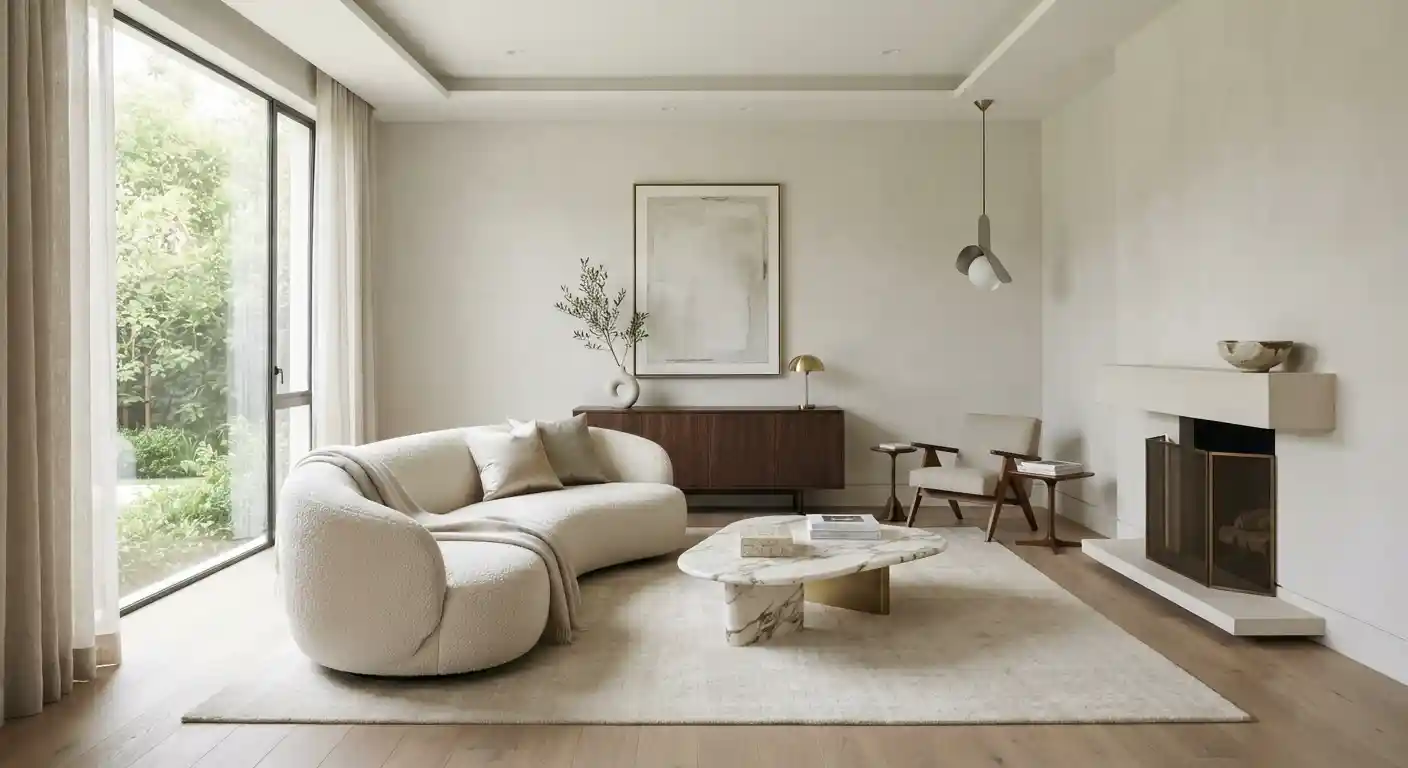
A large seating arrangement can also help define an open living area. For example, a u shaped sofa can create a generous seating zone while giving the room a strong visual centerpiece. Its shape can work particularly well in larger living rooms where there is enough space to accommodate its extended design.
Choose a Refined Color Palette
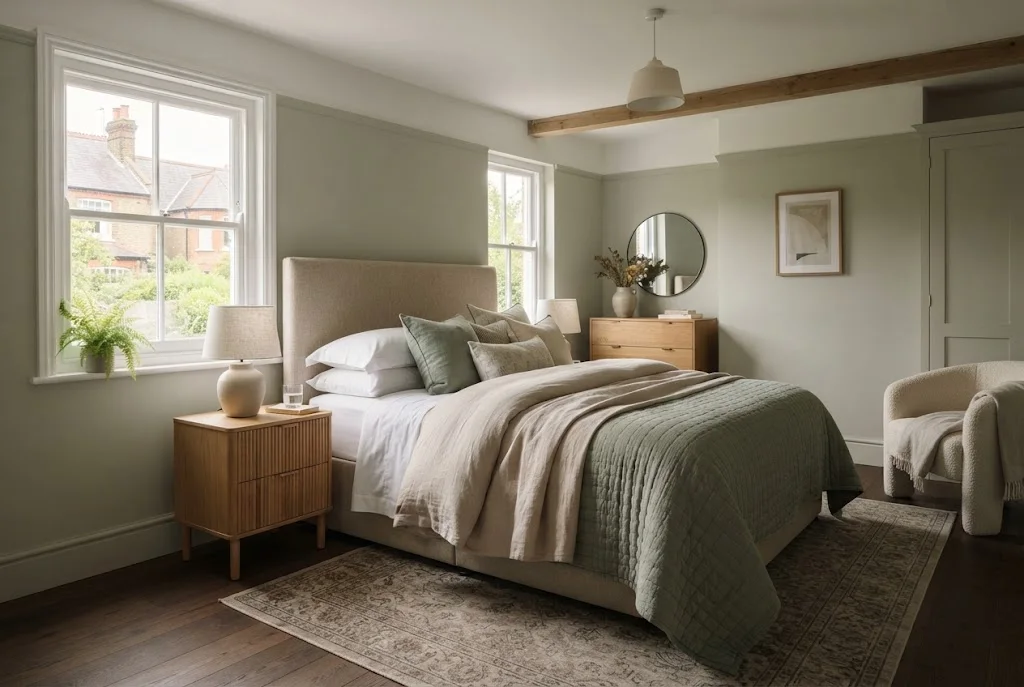
Color is one of the easiest ways to create an elegant atmosphere. Neutral shades such as cream, beige, warm white, taupe, and soft gray can provide a timeless foundation.
These colors can then be complemented with darker or richer accents. Black details, deep green, navy, natural wood, or muted metallic finishes can introduce contrast without overwhelming the room.
The goal is not to use as many colors as possible. A limited palette often creates a more sophisticated appearance because the furniture and decorative elements feel connected.
Pay Attention to Proportion
Proportion is essential when creating an elegant interior. Furniture should be appropriately sized for the room, with enough open space around major pieces.
A large room can often accommodate substantial furniture, while smaller rooms benefit from more compact designs. Before purchasing a large sofa, table, or cabinet, measure the available space carefully.
For larger living rooms, a u shaped sofa can provide a balanced seating arrangement by creating a defined area for conversation and relaxation. However, its size should always be considered in relation to the room’s dimensions and surrounding furniture.
Keep Clutter Under Control
One of the simplest ways to make a home look more elegant is to reduce unnecessary clutter. Too many objects competing for attention can make even expensive furniture appear less impressive.
Use practical storage solutions to keep everyday items organized. Cabinets, shelves, baskets, and storage furniture can help maintain clear surfaces.
Rather than displaying every decorative item you own, select a few pieces that complement the room. Leaving some surfaces and walls relatively open can make the entire space feel calmer.
Use Lighting to Create Atmosphere
Lighting can transform a room from ordinary to sophisticated. Instead of relying on a single ceiling light, consider combining different sources of illumination.
Pendant lights, floor lamps, table lamps, wall lighting, and accent fixtures can each contribute to different areas of the room. Warm lighting is particularly effective for creating a relaxed evening atmosphere.
Decorative lighting can also become part of the interior design. A well-chosen light fixture can act as an architectural feature while providing practical illumination.
Introduce Layers of Texture
Elegant interiors often use texture rather than excessive decoration to create visual interest. Combining smooth, soft, woven, natural, and polished materials can make a room feel richer.
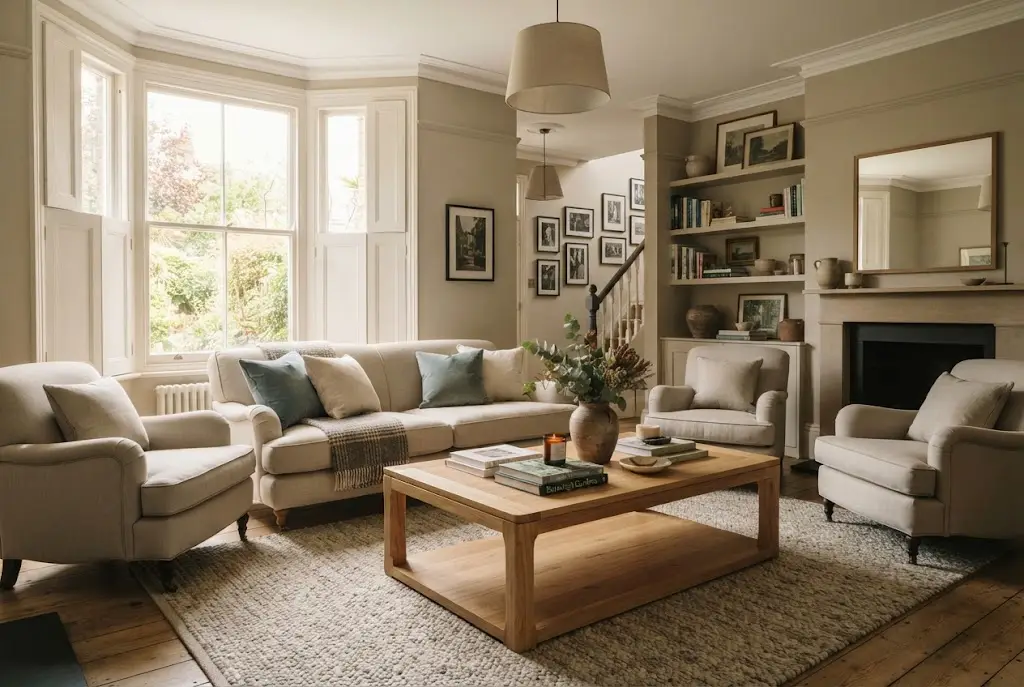
For example, a fabric sofa can be paired with a textured rug, wooden furniture, soft cushions, and carefully selected curtains. These different materials add depth while maintaining a simple color scheme.
Texture is particularly useful in neutral interiors because it prevents the room from feeling flat or sterile.
Create a Strong Focal Point
A room usually feels more organized when it has a clear focal point. In a living room, this may be the sofa, fireplace, artwork, television wall, or an architectural feature.
Once the focal point is established, arrange other furniture and decoration around it. Avoid making every object equally prominent because this can make the room feel visually busy.
A large seating arrangement can naturally become the center of a spacious living room. Surrounding it with suitable lighting, a coffee table, and understated accessories can create a sophisticated and comfortable setting.
Balance Open Space and Decoration
Elegant interiors are not necessarily empty, but they usually have a good balance between furnished and open areas. Leaving some negative space allows important furniture and decorative elements to stand out.
Avoid placing furniture against every available wall simply because space exists. Instead, consider how each piece contributes to the room’s functionality.
Open space also makes movement easier and can give the interior a more relaxed appearance.
Add Natural Materials
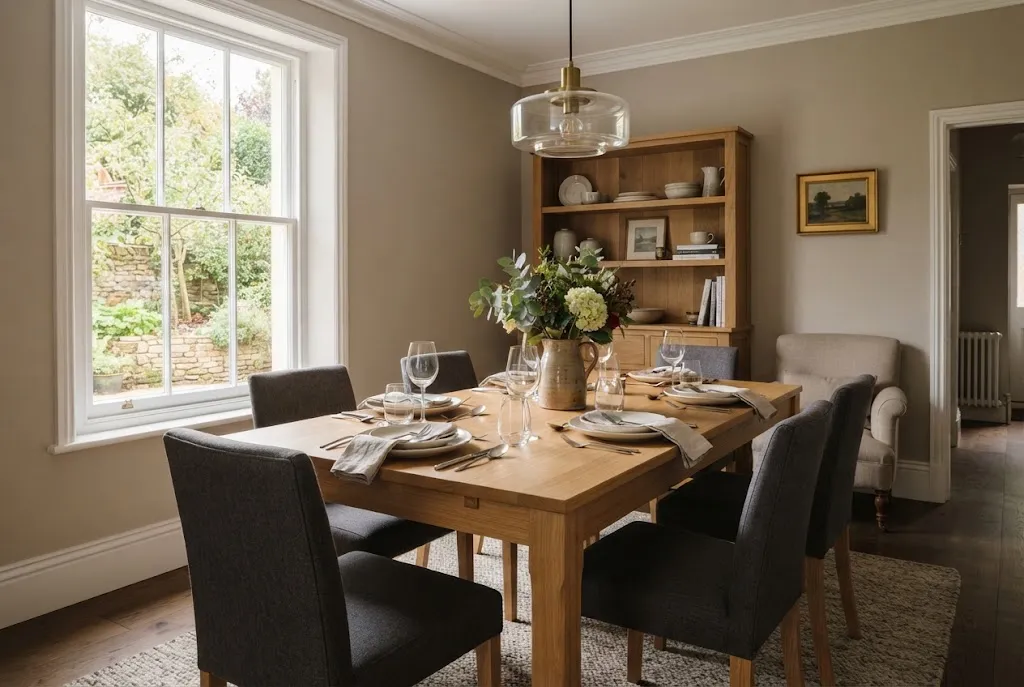
Natural materials can bring warmth and character to an elegant home. Wood, stone, linen, wool, rattan, and natural fibers can work alongside contemporary furniture and neutral colors.
Wooden side tables, natural-fiber rugs, stone accessories, and indoor plants can all introduce organic details.
These materials also help prevent minimalist interiors from feeling too cold. A combination of clean lines and natural textures can create a comfortable balance between modern and timeless design.
Use Artwork With Intention
Artwork can provide personality and visual focus without requiring extensive decoration. A single large piece can often have more impact than several small items scattered across a wall.
Choose artwork that complements the room’s colors and reflects your personal taste. The size should also be appropriate for the surrounding furniture.
For example, artwork positioned above a sofa should have enough visual presence to relate to the furniture without overwhelming it.
Make the Living Room Social
An elegant living room should also encourage conversation and interaction. Furniture arrangements should allow people to sit comfortably while facing one another.
A large seating configuration can be particularly useful for homes that frequently host family gatherings or guests. Instead of arranging every seat toward a television, consider creating a layout that supports multiple activities.
A central coffee table can help connect the seating arrangement while providing a practical surface for everyday use.
Mix Modern and Timeless Elements
A home does not have to follow one design era. Contemporary furniture can work beautifully alongside classic materials, traditional artwork, or vintage-inspired accessories.
The key is finding common elements such as color, texture, proportion, or material.
This approach can create a more personal and layered interior than purchasing everything from the same collection or following one trend from beginning to end.
Choose Accessories Carefully
Accessories should complete the room rather than dominate it. Cushions, throws, vases, books, candles, plants, and decorative objects can all contribute to the overall design.
Select accessories that share some relationship with the main furniture and color palette. Repeating a material or accent color in several locations can help the room feel cohesive.
Changing smaller accessories is also an easy way to refresh the interior without replacing major furniture.
Design Around Your Lifestyle
The most elegant home is one that works naturally for the people living in it. A formal-looking room that cannot handle everyday activities may become frustrating over time.
Consider your routines before making major design decisions. If you enjoy relaxing with family, prioritize comfortable seating. If you entertain regularly, create enough space for guests to sit and move around.
Furniture should support these activities while still contributing to the overall visual style.
Avoid Overdecorating
One of the biggest advantages of a simple approach is that it allows quality furniture and carefully selected details to stand out.
Instead of constantly adding new decorative objects, periodically review what is already in the room. Remove items that no longer serve a purpose or contribute to the design.
A few meaningful pieces can create more impact than a crowded collection of accessories.
Let the Interior Evolve
Creating an elegant home does not have to happen immediately. Interior design can develop gradually as you discover which colors, furniture styles, and materials work best for your lifestyle.
Start with the major pieces and establish a strong foundation. Smaller decorative details can then be added over time.
This approach also gives you the opportunity to adapt the room as your needs change, ensuring that the interior remains both attractive and practical.
Final Thoughts
Creating an elegant home interior does not require complicated design rules. The most effective approach is often based on simplicity, comfort, balance, and intentional choices.
A refined color palette, appropriately sized furniture, layered lighting, natural materials, controlled decoration, and a clear focal point can transform an ordinary room into a sophisticated living environment.
Whether you are furnishing a spacious living room or refreshing an existing interior, focus on how each element works with the others. When furniture and decoration support both your lifestyle and your personal taste, elegance becomes a natural result rather than something that has to be forced.