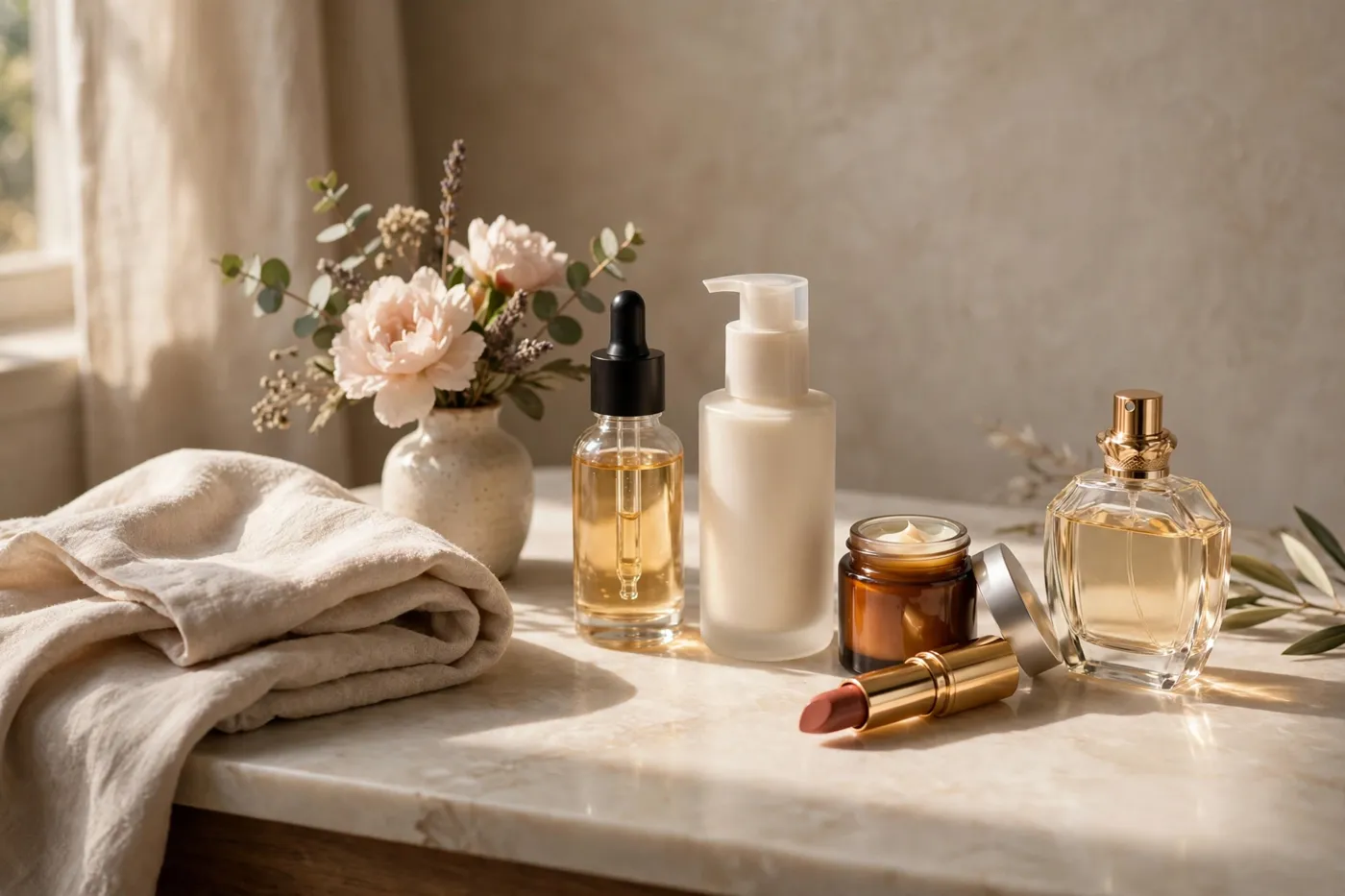

Luxury beauty occupies a curious place in the UK market. Premium skincare, makeup and fragrance sit at the top of the price range, yet they are bought by ordinary shoppers, not only by the wealthy. What draws people to luxury beauty brands, and how can you tell whether a premium product is genuinely better than a cheaper alternative? This guide looks at luxury beauty from the shopper’s point of view: what premium means in practice, how to judge products fairly, and how to enjoy luxury beauty without overspending.
What Makes Beauty Luxurious?
Luxury in beauty is partly about formulation and partly about feeling. Premium products often use more refined textures, more complex fragrances and more carefully chosen ingredients. A luxury moisturiser may sink in more beautifully than a basic one, a premium lipstick may feel more comfortable over a long day, and a fine fragrance may develop more interestingly on the skin. These are real, noticeable differences, and they explain why many people return to premium products once they have tried them.
But luxury is also about presentation and story. Beautiful packaging, a sense of heritage, a founder’s philosophy and the experience of buying in an elegant store all contribute to how a product feels. There is nothing dishonest about valuing those things, provided you recognise them for what they are. The mistake is assuming that price alone guarantees performance. Some premium products are outstanding, some are ordinary in beautiful boxes, and some everyday products outperform luxury rivals. The only reliable test is how a product performs for you, over time, on your own skin.
Luxury Skincare, Makeup and Fragrance in Practice
Skincare is where luxury beauty most often justifies its price, because the products are used daily and their effects are visible. A premium serum or cream that suits your skin can make a genuine difference to comfort and appearance, especially if it layers well with other products and causes no irritation. The key is fit: the right product for your skin type and concerns matters far more than the most expensive product on the shelf. Reading about beauty research can help you separate well-supported ingredients from fashionable claims.
Makeup luxury shows up in finish and wear. Premium foundations tend to blend more naturally, powders sit more finely, and colours are often more nuanced. For people who wear makeup every day, these differences are worth paying for. Fragrance, meanwhile, is the most personal luxury of all: a fine scent is a composition that unfolds over hours, and premium fragrances often achieve greater depth and staying power. Yet no fragrance is objectively best, and the right one is simply the one you love wearing. Trying a scent on skin, over a full day, matters far more than any review or advertisement.
How to Shop Luxury Beauty Wisely
Smart luxury shopping starts with sampling. Smaller sizes, discovery sets and in-store testers let you live with a product before committing to a full size, and skin and fragrance both need days, not minutes, to reveal themselves. A cream that feels wonderful on first touch may not suit you after a week, and a fragrance that charms in store may wear differently through a working day. Patience here saves money and disappointment.
Second, prioritise the categories you use most. A daily skincare staple justifies more spending than an occasional-use product, and a signature fragrance you wear constantly is better value than five rarely used scents. Third, look for genuine guidance rather than pressure. A good consultation, whether in store or online, should teach you something about your skin or your preferences, not simply push the newest launch. Our guide to beauty product buying guides covers the same practical approach in more depth.
Fourth, keep perspective on trends. Luxury beauty moves quickly, and beauty trends in the UK change with every season. Chasing every launch is expensive and unnecessary. A small, well-chosen collection that suits you will serve you better than a shelf full of novelties. Finally, consider how technology is changing the premium market: personalised recommendations, virtual try-on tools and ingredient transparency are all reshaping how shoppers choose. Our article on AI in the beauty industry explores what those changes mean for everyday buyers.
Luxury Beauty and Sustainability
Premium beauty and sustainability are increasingly connected. Luxury brands were once associated with excess packaging, but many now offer refills, recyclable materials and more considered sourcing. If environmental impact matters to you, it is worth asking how a brand handles refills and recycling before you buy. A refillable product you repurchase for years is often both more luxurious and more responsible than a beautiful single-use item.
The same thinking applies to consumption itself. Buying fewer, better products and using them fully is more sustainable than accumulating many half-used ones, whatever their price. Our guide to sustainable beauty looks at how to balance quality with responsibility, and how small changes in buying habits can reduce waste without giving up products you love.
Luxury Beauty as Experience
Beyond products, luxury beauty includes experiences: facials, consultations, masterclasses and beautifully designed stores. These can be genuinely valuable, particularly when they teach you something useful about your skin or help you find products that suit you far better than guessing alone. A good treatment or consultation should leave you more confident about your routine afterwards, not merely entertained for an hour.
Experiences also vary by place. Shoppers often look to larger cities for the widest choice of premium stores and treatments, and London beauty remains a useful reference for how luxury retail, salons and trends come together. Whatever your location, though, the principles are the same: judge experiences by what you learn and how your skin responds, not by how glamorous the setting looks.
It is also worth placing luxury within the wider culture of beauty. Attitudes to premium products have shifted over time, from exclusivity towards personal expression, and British beauty culture traces how those attitudes evolved. Luxury today is less about showing wealth and more about choosing products that reflect personal taste and values, which is a healthier and more interesting way to think about it.
The Bottom Line on Luxury Beauty
Luxury beauty is worth it when a product performs better for you, feels better to use, lasts longer or helps you understand your own routine better. It is not worth it when the only difference is the packaging or the price tag. The best luxury purchases are the ones you use to the last drop and buy again without hesitation.
Approach premium beauty with curiosity and patience: sample properly, prioritise what you use most, and build a small collection of excellent products rather than a large collection of novelties. Done that way, luxury beauty becomes what it should be: a considered pleasure that makes everyday routines feel a little more enjoyable, without waste and without regret.