
Cushions are one of the simplest ways to refresh a room without changing its main furniture. A carefully chosen combination of colours, shapes, patterns and textures can make a sofa, bed or occasional chair feel more comfortable while adding personality to the wider interior. From cream cushions and white cushions to brighter decorative styles, there are plenty of ways to use them effectively in a UK home.
The best approach is not necessarily to make every cushion match. Instead, consider the existing colours, furniture and fabrics in the room, then choose pieces that complement them. This makes it easier to create a layered appearance that feels intentional rather than overly coordinated.
Why Cushions Make Such a Difference
Soft furnishings occupy relatively little space, yet they can have a noticeable effect on the appearance of a room. Cushions can introduce a new colour, soften hard furniture and add visual texture without requiring permanent changes.
They are also easy to replace or rearrange. This makes them useful when you want to update a room seasonally or experiment with a different decorative style. Neutral cushions can create a calm foundation, while patterned or bright designs can provide stronger accents.
For example, a bedroom featuring pink bedding can be complemented with cushions in cream, white or muted pink. This creates continuity without requiring every accessory to use exactly the same shade.
Cream Cushions for a Soft Neutral Interior
Cream cushions are particularly versatile because they work with many different interior palettes. They can soften darker furniture, complement natural wood and sit comfortably alongside pastel shades.
Cream is also useful when a room already contains several colours. Rather than adding another strong shade, neutral cushions can provide visual balance and prevent the overall scheme from becoming too busy.
Try combining cream cushions with different textures. A knitted cushion, woven design and smooth fabric can all share a similar colour while still creating enough variation to make the arrangement interesting.
White Cushions for a Clean and Fresh Look
White cushions can give sofas and beds a crisp, fresh appearance. They are especially effective in rooms that already use light walls, pale flooring or neutral furniture.
However, an entirely white arrangement can sometimes look flat. Introducing different materials and subtle patterns helps create depth. For instance, a plain white cushion can sit beside a textured cream design or a cushion featuring a small geometric pattern.
White also provides a useful contrast against darker sofas. On charcoal, navy or deep green furniture, lighter cushions can immediately brighten the seating area without changing the main upholstery.
When Bright Cushions Work Best
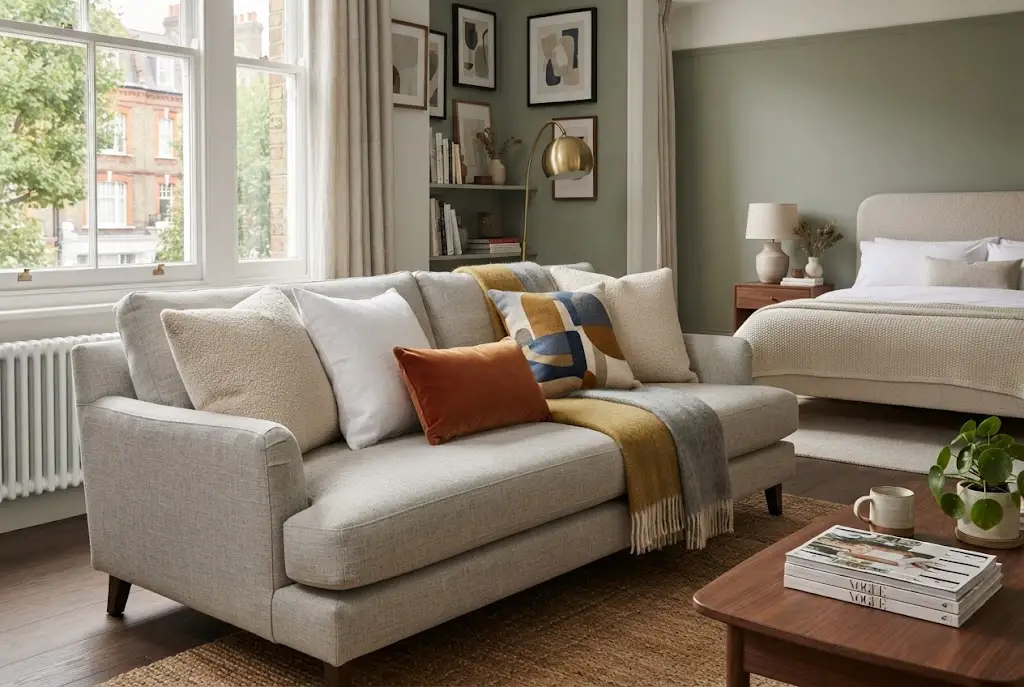
Bright cushions can be useful when a room needs a stronger decorative accent. Richer shades of yellow, blue, green, coral or pink can bring energy to otherwise neutral furniture.
The key is to repeat the accent colour elsewhere in small amounts. A bright cushion can look more connected to the room if the same colour appears in artwork, a rug, curtains or another decorative accessory.
At the same time, avoid introducing too many unrelated colours. Choosing one dominant accent and one or two supporting neutrals usually creates a more balanced result.
Choosing a Rectangular Cushion
A rectangular cushion can add variety to an arrangement because its proportions differ from the more common square cushion. It works particularly well as a front layer on a sofa or as part of a decorative bed arrangement.
When styling several cushions, vary their sizes rather than placing identical shapes in a straight row. Larger cushions can form the background, medium-sized pieces can provide the main colour or pattern, and a rectangular cushion can be positioned towards the front.
This layered approach can make a sofa or bed look more inviting while still keeping the arrangement practical enough for everyday use.
Pillows and Throw Pillows for Layered Comfort
The terms pillows and throw pillows are often used when discussing decorative soft furnishings, but they can serve slightly different purposes. A standard sleeping pillow needs to provide appropriate support, whereas a decorative throw pillow is primarily used to add comfort and visual interest.
On a bed, practical sleeping pillows can be positioned behind smaller decorative cushions. On a sofa, throw pillows can add softness while helping break up a large expanse of upholstery.
Keep comfort in mind when arranging them. A beautiful cushion arrangement should not make it difficult to sit down, relax or use the furniture normally.
Decorative Pillows for the Bedroom
Decorative pillows for the bedroom can help transform a simple bed into a more layered focal point. Start with the pillows that are used for sleeping, then add larger decorative cushions behind or in front of them depending on the desired appearance.
If the duvet or comforter already has a strong pattern, use simpler cushions to create contrast. Conversely, plain bedding provides more freedom to introduce patterned pillows and textured cushions.
For a floral bedroom, a small botanical or flower-inspired cushion can connect the bedding with other decorative details without making the whole room look repetitive.
How to Style a Sofa and Pillows
Getting the relationship between a sofa and pillows right can make a living room feel more comfortable and finished. Start by considering the colour of the sofa itself. Neutral upholstery provides a flexible base for stronger cushions, while a colourful sofa may benefit from simpler neutral pieces.
Rather than spreading cushions evenly across the entire sofa, try grouping them into two or three visual areas. This can create a more relaxed appearance while leaving enough space for people to sit comfortably.
Texture is another useful styling tool. Combining velvet-style, woven, cotton-look or knitted surfaces can create depth even when the colours remain relatively restrained.
Using a Flower Cushion Without Overdoing the Pattern
A flower cushion can introduce a decorative botanical element without requiring floral wallpaper or large-scale patterned furniture. It can be particularly effective when the rest of the room uses plain upholstery and understated accessories.
Choose one or two colours from the floral design and repeat them elsewhere. For example, a cushion containing soft pink flowers could work alongside pink bedding, neutral walls and simple lighting.
If several floral patterns are used together, vary their scale. A small floral cushion beside a larger botanical print can look more sophisticated than several identical patterns competing for attention.
Bed Pillow Decoration Ideas
Bed pillow decoration works best when it combines practical pillows with a controlled number of decorative pieces. Too many cushions can make a bed look crowded and can become inconvenient when the room is being used.
For a simple arrangement, place sleeping pillows towards the back and use two or three decorative cushions in front. A rectangular cushion can then provide a different shape and act as a finishing layer.
Colour can also help establish the visual hierarchy. Keep the largest pieces relatively neutral and use a smaller cushion for the strongest pattern or accent colour.
How Cushions Work with Wall Decor
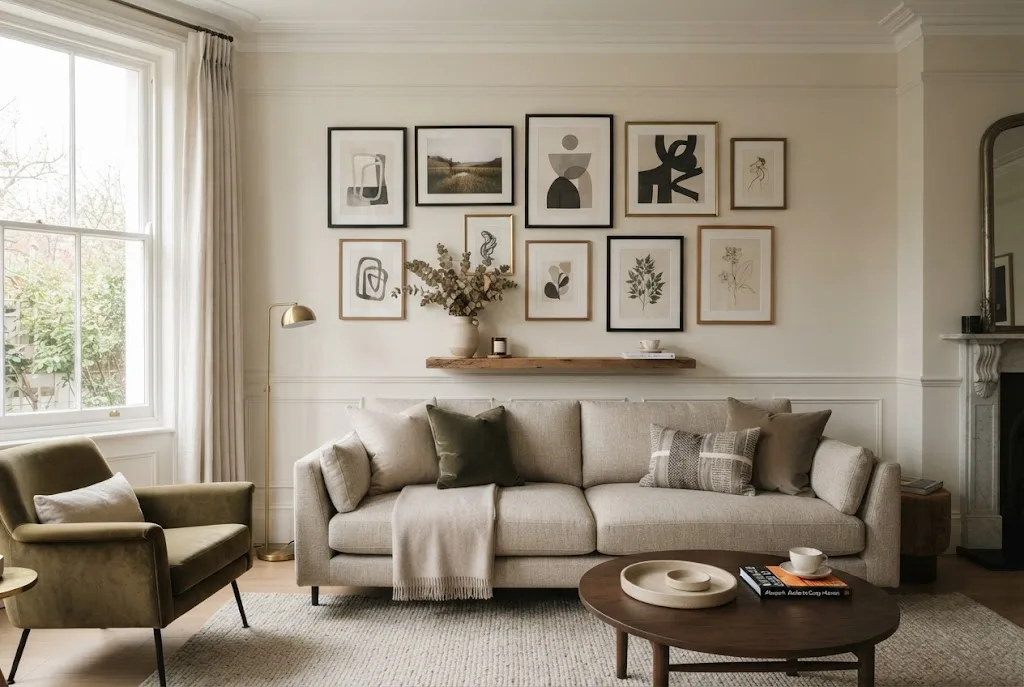
Soft furnishings do not need to be considered separately from the walls. A coordinated relationship between cushions and artwork can make a living room or bedroom feel more complete.
For example, if the room includes wall decor with muted botanical colours, cushions can pick up one of those tones. The result does not have to be an exact match; repeating a colour subtly is often enough to connect the two areas.
This principle is particularly useful when creating a decorative living room wall. Artwork can provide the main visual statement while cushions reinforce the palette at a lower level.
Using Cushions with Bedroom Lighting
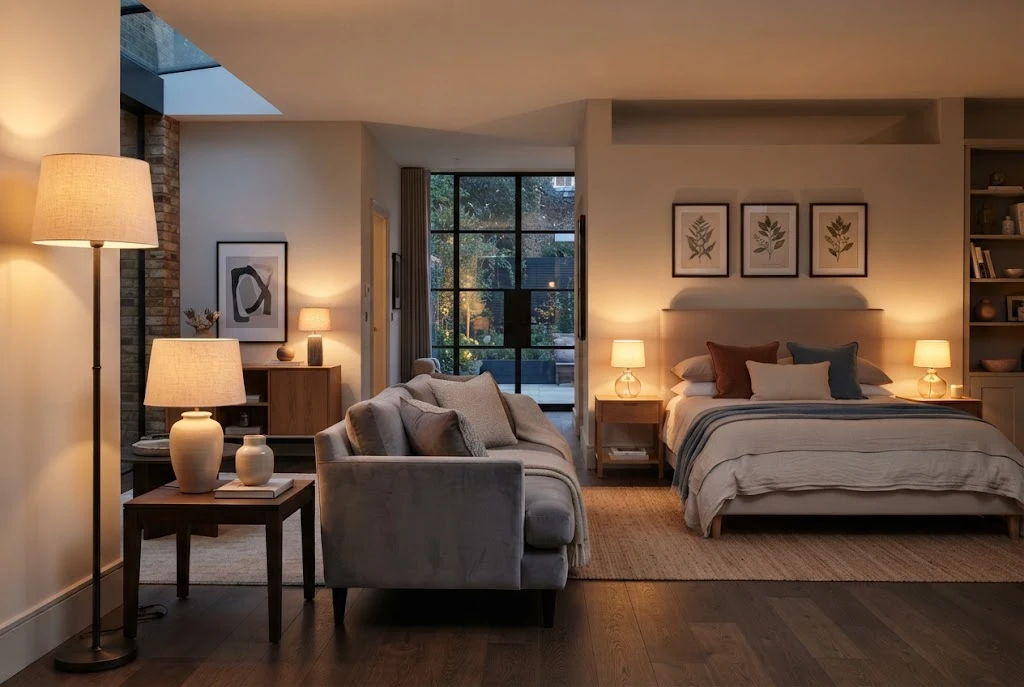
Lighting can change how fabric colours and textures appear, so it is worth considering cushions alongside the room’s lighting scheme. Soft illumination can make warm neutrals appear richer, while brighter lighting can reveal patterns and textures more clearly.
Simple home lamps placed around a bedroom or living space can provide additional layers of light. In a bedroom, small bedside lamps can create a softer atmosphere while allowing the colours of cushions and bedding to remain visible.
How to Keep Cushions Looking Fresh
Because cushions are frequently handled, they can collect dust and show signs of everyday use. Check the manufacturer’s care instructions before washing or cleaning any cover, as different fabrics require different methods.
Removable covers are particularly practical because they can usually be cleaned more easily than fixed upholstery. Plumping and rotating cushions periodically can also help maintain their shape and distribute wear more evenly.
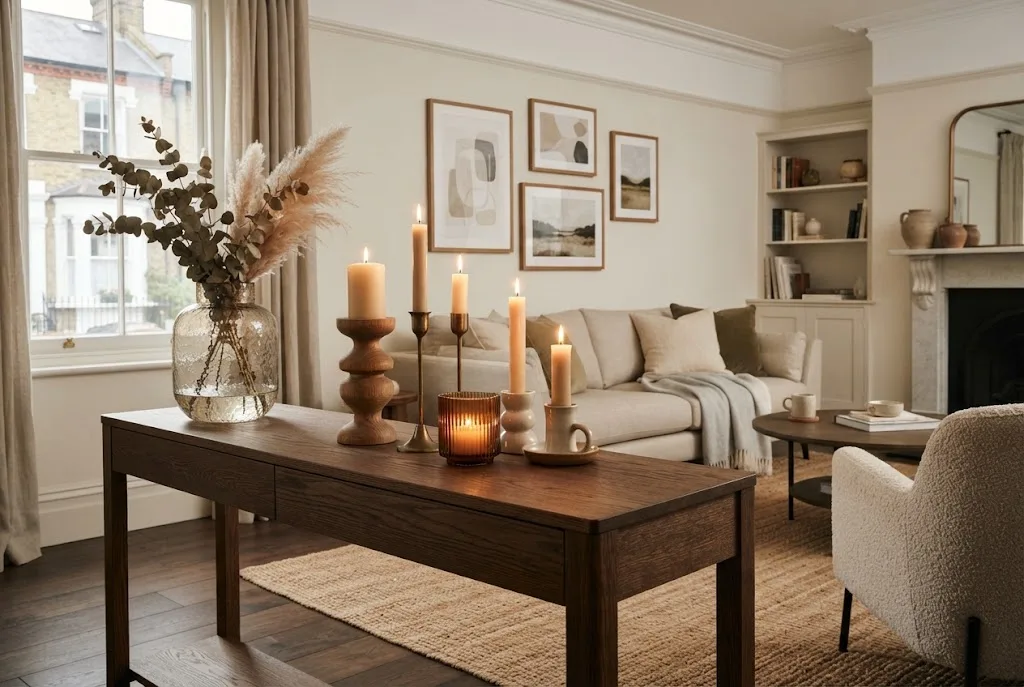
Where cushions are placed near candles or other heat sources, leave sufficient separation and avoid positioning combustible fabrics close to an open flame. UK government fire-safety guidance recommends keeping candles away from materials that can catch fire and extinguishing them before leaving a room or going to bed. UK Government fire-safety guidance provides further advice.
Creating a Cohesive Home with Cushions
One advantage of cushions is that the same styling principles can be used throughout the home. A colour introduced in the bedroom can appear subtly in the living room, while neutral textures can help connect different areas.
The goal is not to make every room identical. Instead, use a consistent approach to colour, texture and proportion. This creates a sense of continuity while allowing each space to retain its own character.
For example, soft pink may appear in bedroom bedding, while a much smaller pink accent appears on a living-room cushion. Similarly, cream and white can be repeated across several rooms as neutral foundations.
Final Thoughts on Cushions
Cushions offer an accessible way to change the look and feel of a home. Cream cushions and white cushions can create a calm foundation, bright cushions can introduce personality, and different shapes such as a rectangular cushion can add visual variety.
Whether you are styling a sofa, refreshing a bedroom or creating a layered bed arrangement, focus on a balanced combination of colour, texture and proportion. Decorative pillows should complement the room rather than overwhelm it, while practical comfort should remain part of the decision.
With thoughtful choices, cushions can connect bedding, wall decor, lighting and other furnishings into a cohesive interior that feels comfortable, considered and easy to update.