
Home lamps can make a noticeable difference to the atmosphere, comfort and appearance of a room. Unlike a single overhead light, lamps allow you to introduce lighting at different heights and in different areas, helping create a more flexible interior. From a simple table lamp beside a bed to tall lamps positioned beside a sofa, the right lighting can complement both practical needs and decorative style.
Good lighting is about more than choosing an attractive fixture. The size of the room, furniture arrangement, lampshade, bulb and intended use all influence the final result. By combining different sources of light, you can create a home that feels comfortable during the evening while also giving decorative features such as cushions, wall art and bedding more visual impact.
Why Home Lamps Are Important in Interior Design
Lighting affects how colours, textures and furniture appear. A room with only one central ceiling light can sometimes feel harsh or uneven, particularly during the evening. Lamps provide smaller pools of illumination that can make the space feel more layered.
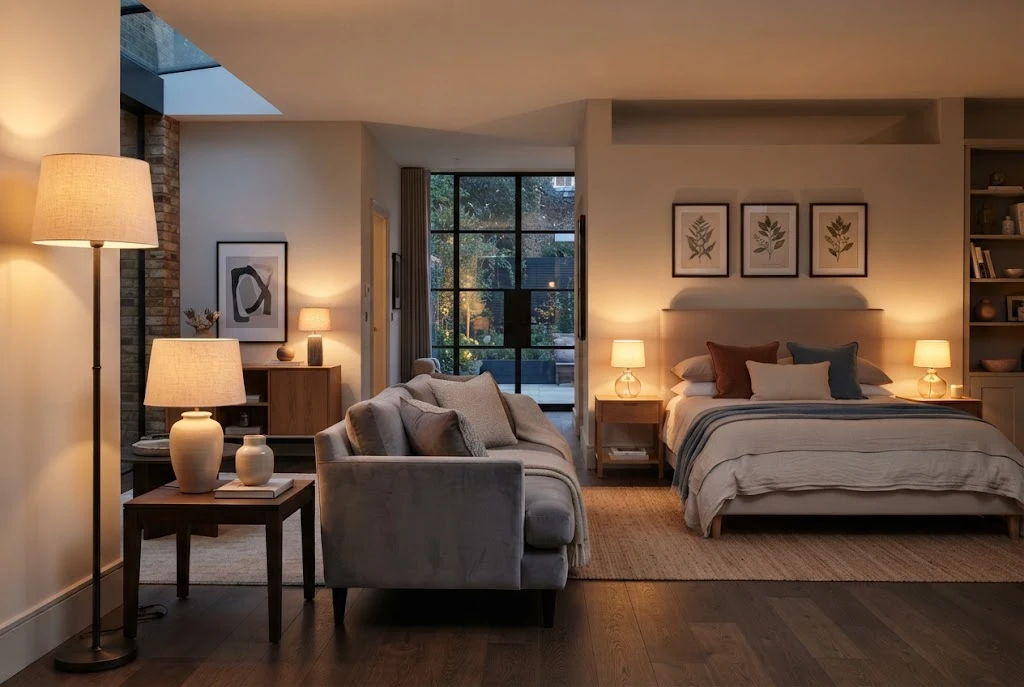
They can also highlight particular areas. A lamp beside a reading chair creates a practical reading zone, while a pair of lamps on either side of a bed can provide balanced illumination. In a living room, a lamp positioned beside a sofa can provide useful light without illuminating the entire room at maximum brightness.
Lamps can also work alongside decorative features. For example, carefully chosen lighting can complement wall decor or draw attention to framed artwork without becoming the main feature itself.
Choosing the Right Table Lamp
A table lamp is one of the most versatile lighting options for a home. It can be placed on a bedside table, console, desk, side table or other stable surface, depending on the design.
When choosing a table lamp, consider the height of the furniture beneath it. A very tall lamp on a small side table may look disproportionate, while a very small lamp can disappear visually beside larger furniture.
The lampshade is equally important. A wider shade can spread light across a larger area, whereas a narrower shade may create a more concentrated pool of illumination. The material and colour of the shade will also affect the overall appearance.
Table Lamps for Bedside Lighting
Table lamps for bedside use need to balance appearance with practicality. A bedside lamp should provide enough light for activities such as reading while remaining comfortable to use when the room is being prepared for sleep.
Pairing two similar lamps can create symmetry when there are bedside tables on both sides of the bed. However, matching lamps are not essential. Two different lamps can also work if they have a similar scale or visual weight.
Consider the position of the switch as well. A lamp that is difficult to reach from the bed may be less practical even if its appearance is attractive.
Small Bedside Lamps for Compact Rooms
Small bedside lamps are particularly useful where table space is limited. Compact lamps can provide adequate local lighting without taking up too much room on a narrow bedside table.
They can also help maintain a cleaner appearance in smaller bedrooms. Instead of choosing the largest lamp available, look for a design that leaves enough surface space for essential items such as a book, phone or glass of water.
When space is extremely limited, consider the proportions of the entire bedside arrangement. A compact lamp with a simple shade may provide better visual balance than a large decorative fixture.
Bedroom Lamps Grey and Neutral Colour Schemes
Bedroom lamps grey can work particularly well in interiors that use neutral colours. Grey complements white, cream, beige, soft pink and many natural wood finishes, making it a flexible choice for contemporary bedrooms.
A grey lamp can also provide subtle contrast against lighter furniture. If the bedroom already contains strong colours or patterns, a neutral lamp can prevent the lighting from competing with the rest of the décor.
For example, grey bedroom lighting can work alongside pink bedding and neutral cushions. The lamp provides a grounding element while allowing the softer colours of the bedding to remain prominent.
Living Room Lamps Tall for Layered Lighting
Living room lamps tall can help illuminate areas that smaller table lamps cannot reach. Floor-standing lamps are particularly useful beside sofas, armchairs and reading areas.
Height adds another visual level to a room. When combined with ceiling lighting and lower table lamps, a tall floor lamp can help create a more balanced distribution of light.
Consider the position of the lamp carefully. A tall lamp should not obstruct walkways or interfere with furniture movement. Its base needs to be stable, especially in busy areas of the home.
Sitting Room Lamps for Comfortable Evenings
Sitting room lamps can create a softer atmosphere when you no longer need bright general lighting. A lamp beside a sofa can provide enough illumination for conversation, reading or relaxing without making the whole room feel overly bright.
Try combining lamps with different purposes. A table lamp can provide local light on a side table, while a floor lamp can illuminate a larger area. This layered approach allows you to use only the lighting you need.
It can also make the room more adaptable. Bright general lighting can be useful for cleaning and practical tasks, while lower-level lamps may be preferable when relaxing in the evening.
Living Area Lamps and Furniture Placement
Living area lamps should be considered alongside the furniture layout. Before choosing a lamp, identify where people sit, read or spend time. Then position the lighting where it will provide useful illumination without creating glare.
A lamp beside a reading chair should illuminate the reading area without shining directly into the user’s eyes. Similarly, a lamp placed near a sofa should provide useful light without creating an obstruction.
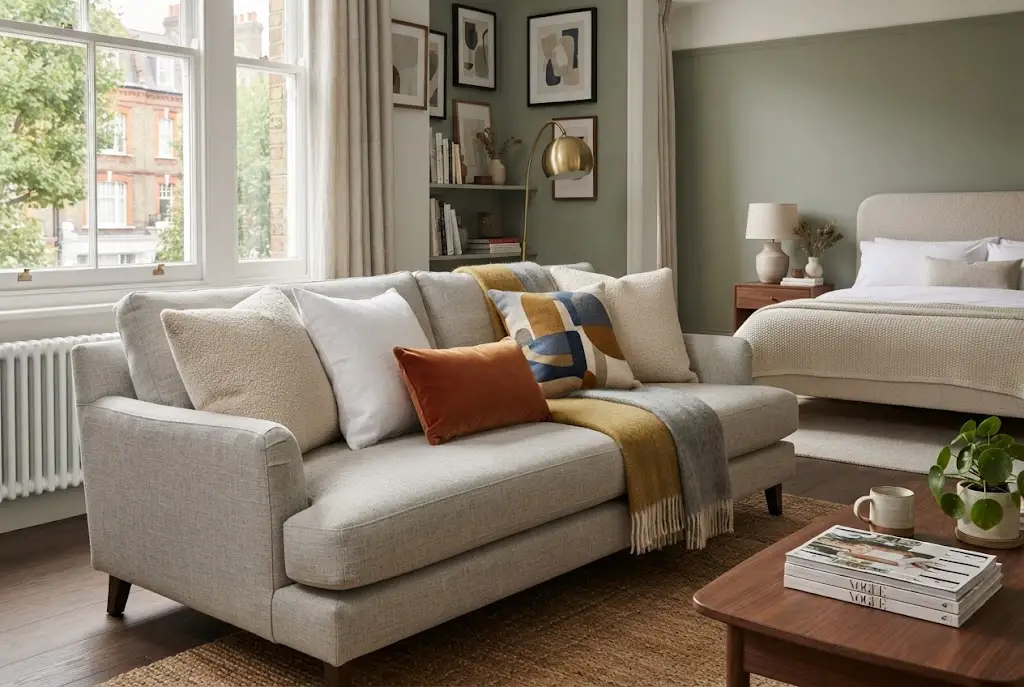
Furniture and soft furnishings can also influence the choice. Neutral cushions can create a calm backdrop for more distinctive lamp designs, while colourful cushions may work better with simpler lighting.
Lamp Shade and Lamp: Choosing the Right Combination
The relationship between the lamp shade and lamp is an important part of the overall design. A shade can completely change how a lamp looks, even when the base remains the same.
Consider proportion first. The shade should generally look appropriately sized for the base rather than appearing too narrow or excessively wide. The height and shape of the lamp should also work with the furniture it sits on.
Colour and material matter too. A neutral fabric shade can soften a wooden or metal base, while a stronger shade colour can turn the lamp into a more noticeable decorative feature.
Choosing a Lamp Stand for Your Interior
A lamp stand can serve as both a functional support and a decorative element. Floor lamp stands come in many shapes and materials, ranging from simple metal designs to wooden and sculptural styles.
Choose a stand that complements the existing furniture rather than competing with it. If the room already contains several decorative shapes, a simple stand may provide better balance.
Think about the base as well. A wider, heavier base may be appropriate for a tall lamp, while a smaller design may suit a compact table lamp. Stability should always be a priority.
Bedtime Lamps for a Calmer Evening Routine
Bedtime lamps can provide softer illumination when the main bedroom lighting is no longer needed. A lower-intensity lamp can make the room feel more relaxed while providing enough visibility to move around safely.
Warm-toned lighting is often chosen for evening environments because it can create a softer visual atmosphere. However, the most suitable bulb depends on personal preference, the lampshade and the intended purpose.
Keep lamps positioned so switches are easy to access. In a bedroom, practical placement matters just as much as appearance, especially when the light needs to be switched off from the bed.
Combining Lamps with Wall Decor
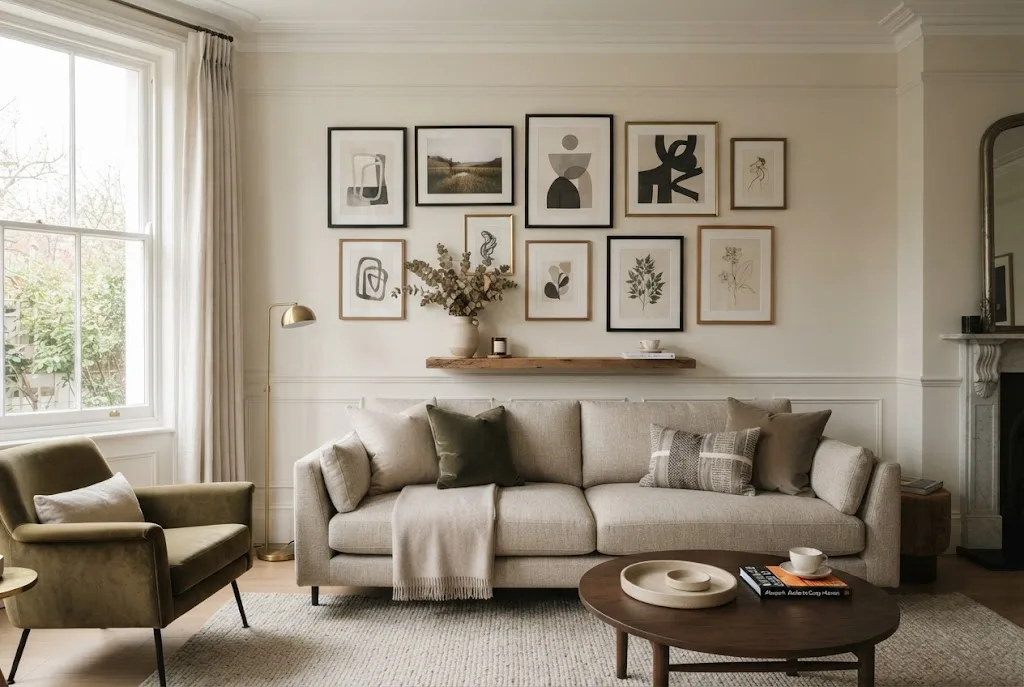
Lighting and wall decoration can work together to create a more complete interior. A lamp positioned near artwork can subtly illuminate the surrounding area, while wall decor can provide a visual backdrop for a table or floor lamp.
If the room contains a photo frame wall, avoid placing a large lamp directly in front of important artwork. Instead, position the light slightly to one side so both elements remain visible.
Matching finishes can also help. For example, a metal lamp base can echo metal picture frames, while a wooden lamp can complement timber frames or furniture.
Using Lamps with Decorative Accessories
Lamps do not have to stand alone. They can form part of a wider arrangement containing cushions, artwork, books and other decorative objects. The key is to maintain enough space around each item so the surface does not become overcrowded.
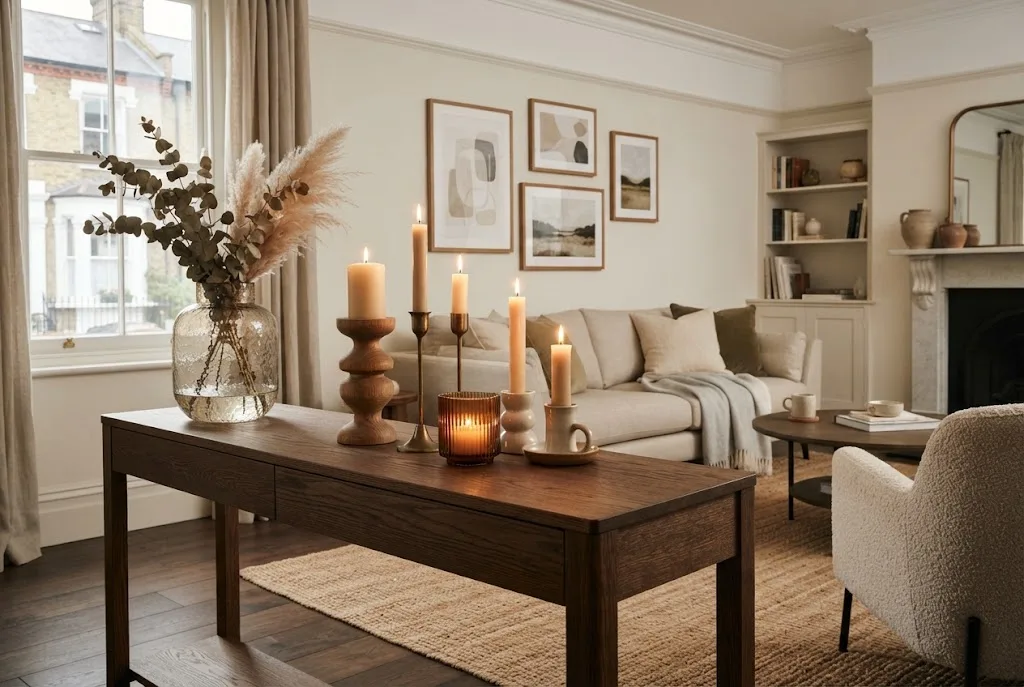
A table lamp on a console can be paired with a small decorative object or framed photograph. In a bedroom, a lamp can sit alongside a carefully arranged collection of cushions and other accessories.
If you use candle holders nearby, keep candles well away from lamps, cables, fabrics and other heat-sensitive or combustible materials. Never position an open flame where it could come into contact with a lampshade or curtain.
How to Create a Layered Lighting Scheme
A balanced room often benefits from three broad levels of lighting: general illumination, task lighting and accent lighting. Ceiling fixtures can provide general light, while table and floor lamps can support reading or other activities.
Accent lighting can then highlight artwork, architectural features or decorative areas. You do not need a complicated lighting system to achieve this effect. Even two or three carefully positioned lamps can make a noticeable difference.
Start by identifying which areas of the room feel too dark. Then consider whether a table lamp, floor lamp or another fixture would solve the problem. This approach is usually more effective than adding lamps simply because there is empty space.
Final Thoughts on Home Lamps
Home lamps provide a practical way to improve both the lighting and visual character of a room. From a compact table lamp and small bedside lamps to tall living room lamps, each type can serve a different purpose.
When selecting lighting, consider scale, placement, shade design, bulb characteristics and the existing interior. Grey bedroom lamps can complement neutral schemes, while distinctive floor lamps can become useful focal points in larger living spaces.
Most importantly, think of lighting as part of the wider room rather than an isolated purchase. When lamps work alongside cushions, wall decor, bedding and furniture, they can help create a home that feels comfortable, balanced and thoughtfully designed.