
Wall decor can transform an otherwise plain room by adding colour, personality, texture and visual interest. Whether you are decorating a living room, bedroom or another area of the home, the right combination of artwork, photographs, frames and decorative pieces can make the space feel more complete without requiring major structural changes.
The most effective approach is to choose wall decorations that work with the furniture and colours already present. A well-planned arrangement can complement sofas, cushions, bedding and lighting while giving the room its own character. From a simple photo frame wall to a more elaborate decorative living room wall, there are plenty of ways to create an attractive result.
Why Wall Decor Matters in Interior Design
Large empty walls can sometimes make a room feel unfinished. Adding carefully selected artwork or framed pieces helps fill that visual space while creating a focal point.
However, filling every empty area is not always necessary. Leaving some wall space clear can make decorative pieces more noticeable and prevent the room from feeling crowded. The goal should be balance rather than simply adding as many items as possible.
Wall decor can also help connect different parts of a room. For example, artwork containing soft pink tones can complement pink bedding, while neutral artwork can work alongside cushions in cream, white or natural colours.
Wall Decorations for Living Room Spaces
Wall decorations for living room areas should reflect both the size of the room and the furniture arrangement. A large sofa can provide a natural reference point for choosing the scale of artwork above it.
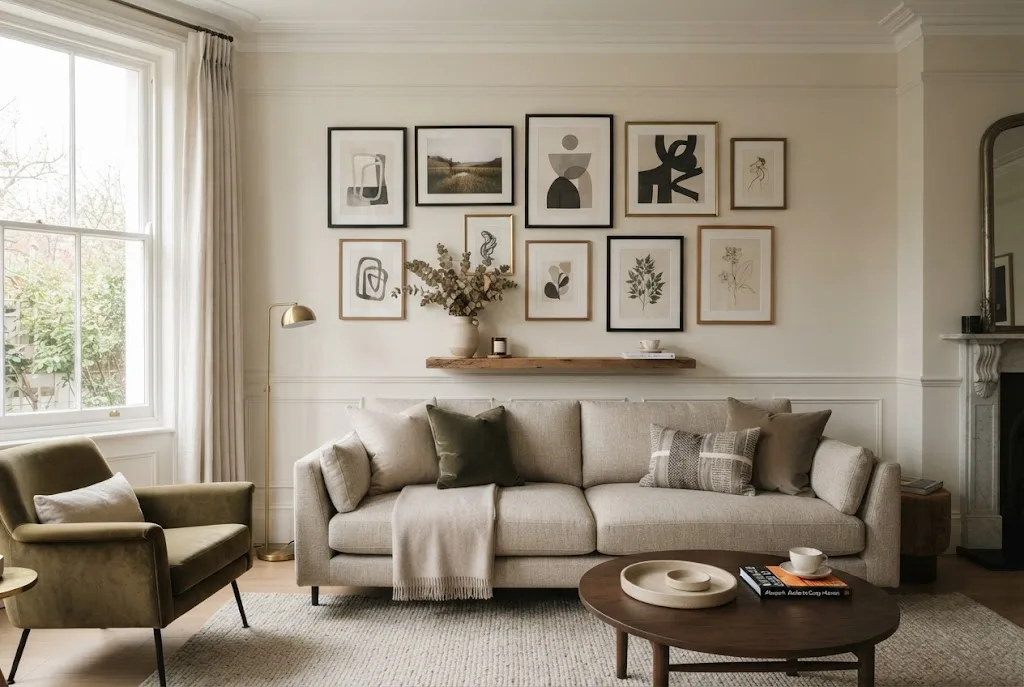
One large framed print can create a strong focal point, while several smaller pieces can produce a more informal gallery-style arrangement. When using multiple frames, keep some connection between them through colour, subject matter or frame finish.
Consider the viewing height as well. Artwork that is positioned too high can feel disconnected from the furniture underneath it. A balanced relationship between the sofa and wall display usually produces a more cohesive appearance.
Creating a Decorative Living Room Wall
A decorative living room wall can become one of the main visual features of the home. Before hanging anything, consider how the wall relates to the sofa, television, shelving and other furniture.
For a minimalist room, one or two large pieces may be enough. In a more traditional or eclectic interior, a collection of photographs, artwork and decorative objects can create greater visual depth.
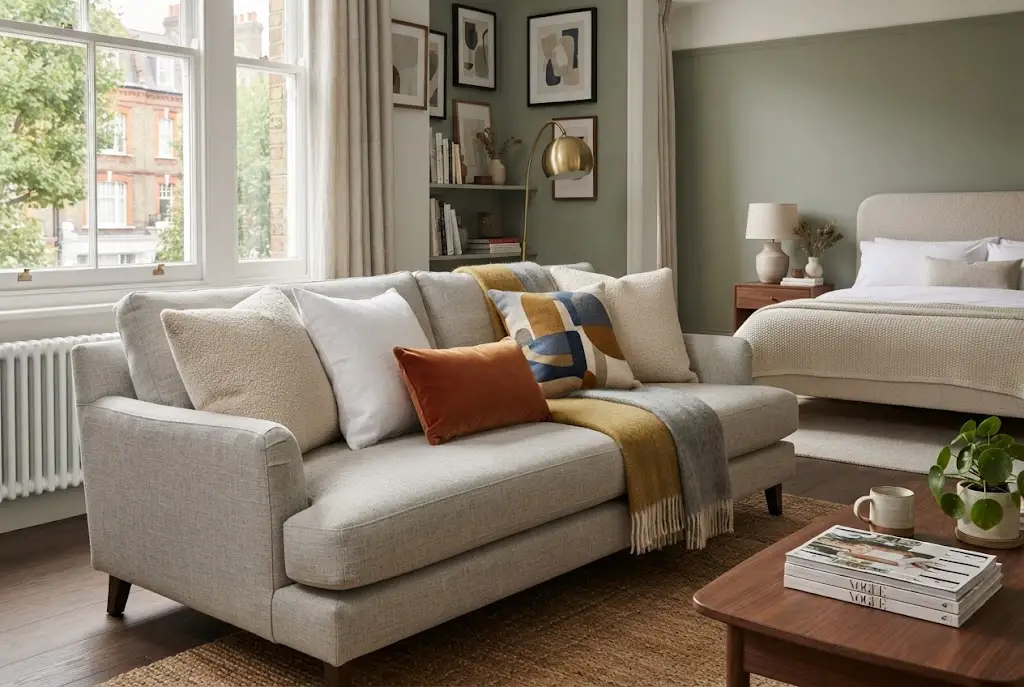
Colour is another important consideration. If the room already contains colourful furniture or sofa and pillows with strong patterns, neutral artwork may provide useful balance. If the furniture is mostly neutral, wall art can introduce a carefully controlled accent colour.
Building a Photo Frame Wall
A photo frame wall is a practical way to display personal photographs, artwork or a mixture of both. It can work particularly well on large blank walls where a single small picture might look out of proportion.
There are several ways to arrange frames. A symmetrical grid creates a structured appearance, while a more varied layout feels relaxed and informal. If you are combining different frame sizes, place the larger pieces first and then use smaller frames to fill the surrounding spaces.
It can help to arrange the frames on the floor before putting anything on the wall. This allows you to experiment with spacing and composition without making unnecessary holes.
Choosing Between Walls and Frames
The relationship between walls and frames is important because the same frame can look very different depending on its surroundings. Dark frames can stand out against pale walls, while light wood frames can blend naturally into neutral or warm interiors.
Think about the wall colour before selecting a frame finish. A busy wallpaper may work better with simple frames, while a plain wall can accommodate more decorative framing.
Frame style should also relate to the overall interior. Modern rooms may suit clean-lined frames, whereas traditional spaces can accommodate more detailed finishes. The objective is not to follow one universal rule but to create a consistent visual relationship.
Using Home Bargains Picture Frames and Similar Options
Home Bargains picture frames and other affordable frame options can be useful when creating a gallery wall or refreshing several rooms at once. Budget-friendly frames can provide flexibility, especially when you want to experiment with different layouts before investing in more expensive pieces.
When shopping for frames, look beyond the price and consider dimensions, mounting options, finish and the type of artwork or photograph they will hold. A simple frame with suitable proportions can often look more effective than an elaborate frame that overwhelms the picture.
How Wall Decor Works with Bedroom Styling
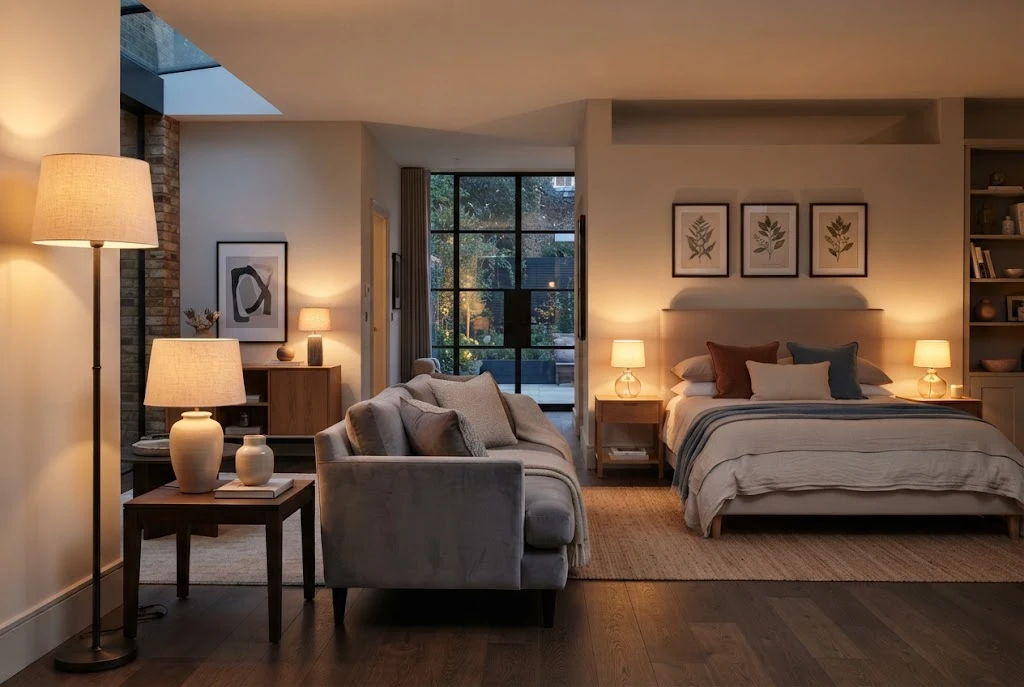
Bedroom wall decor should contribute to a calm and comfortable atmosphere. Large or highly energetic artwork may not suit a room designed for relaxation, while soft botanical prints, photography or understated abstract pieces can complement a quieter interior.
If the bed is already the main focal point, keep the wall arrangement relatively controlled. For example, a few framed pieces above or beside the bed can add personality without competing with patterned bedding.
Lighting also affects how artwork appears. Home lamps can create softer evening illumination and make nearby decorative features feel warmer and more inviting.
Creating Balance with Cushions and Wall Art
Wall decor becomes more effective when it relates visually to the soft furnishings below it. You do not need exact colour matching, but repeating a shade can help connect different parts of the room.
For example, a floral print containing muted pink and cream could work alongside neutral cushions and pink bedding. Similarly, blue or green artwork can be echoed through a small decorative cushion without making the colour dominant.
Texture can also create balance. Smooth framed artwork can contrast nicely with woven, knitted or textured cushions, adding variety without requiring additional colours.
How to Avoid Overcrowding a Wall
One of the most common mistakes when decorating walls is trying to fill every available space. Too many frames or decorative objects can make an interior feel visually busy.
Instead, identify one main focal area and build around it. Leave sufficient negative space between displays, particularly when the artwork itself contains detailed patterns.
Another useful technique is to vary scale rather than quantity. One large piece can often have more impact than several very small pieces scattered across a large wall.
Wall Decor for Different Interior Styles
Wall decor can be adapted to almost any interior style. Minimalist homes may benefit from monochrome photography, simple artwork and clean frames. Traditional interiors can incorporate landscapes, botanical prints and more decorative framing.
Contemporary rooms often provide an opportunity to use abstract artwork, geometric forms or larger statement pieces. Meanwhile, natural interiors can use botanical imagery, timber frames and earthy colours to reinforce the connection with natural materials.
The important factor is consistency. A collection of individually attractive pieces may still look disconnected if their colours, proportions and styles have no relationship to one another.
Practical Tips Before Hanging Wall Decor
Measure the wall and the furniture underneath it before purchasing artwork. This prevents pieces from appearing too small or too large for the available space.
Consider the viewing angle and natural light as well. Highly reflective glass can create glare in bright rooms, while artwork placed near windows may experience stronger changes in illumination throughout the day.
Use appropriate fixings for the wall type and the weight of the frame. Heavy pieces should be securely mounted rather than relying on unsuitable adhesive solutions.
If you are creating a larger display, plan the arrangement before making permanent fixing points. This simple step can save time and make the final composition more deliberate.
Refreshing Your Home with Wall Decor
Refreshing a room does not always require new furniture. Updating the walls can provide a noticeable change while allowing existing sofas, beds and accessories to remain in place.
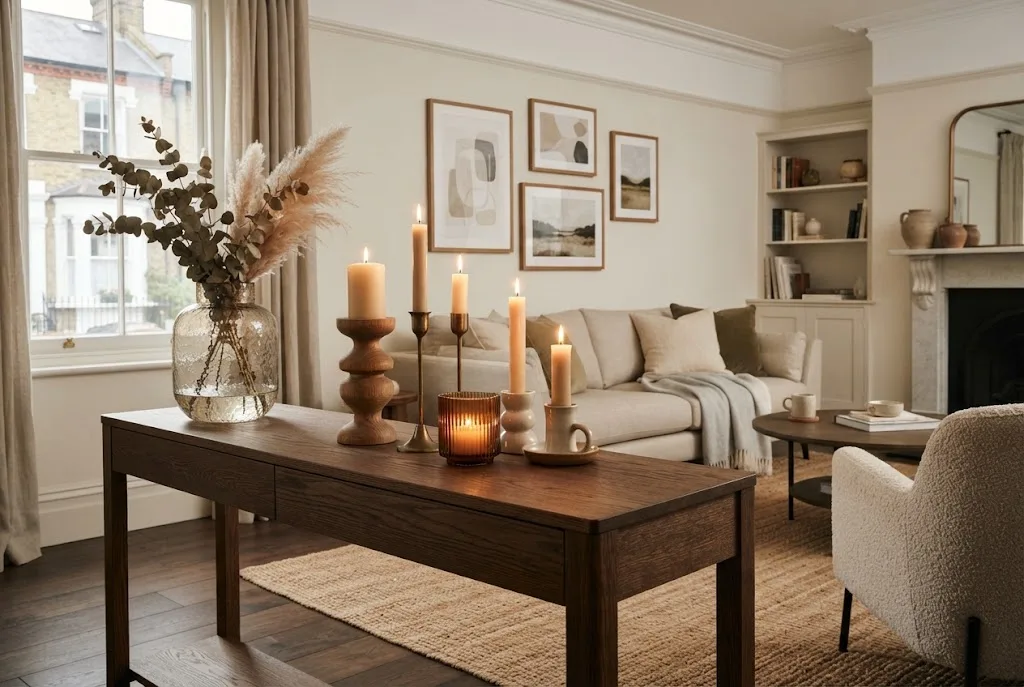
Start with the largest visual area and decide whether it needs a single focal piece or a collection. Then consider how the selected artwork relates to existing colours and textures. Accessories such as candle holders can complement the wider decorative scheme when used safely on suitable surfaces, while cushions can reinforce colours used in wall artwork.
By making these connections gradually, it becomes easier to create a home that feels coordinated without looking overly matched.
Final Thoughts on Wall Decor
Wall decor offers a flexible way to add personality and visual structure to a home. Whether you prefer a simple framed print, a carefully arranged photo frame wall or a larger decorative living room wall, the best results come from considering scale, colour, spacing and the existing interior.
Rather than decorating every wall at once, focus on the areas that will have the greatest visual impact. Choose pieces that complement your furniture and soft furnishings, leave enough breathing room around displays, and use repeated colours or materials to connect different parts of the room.
With thoughtful planning, even a simple collection of frames and artwork can turn an empty wall into an attractive and meaningful feature of the home.