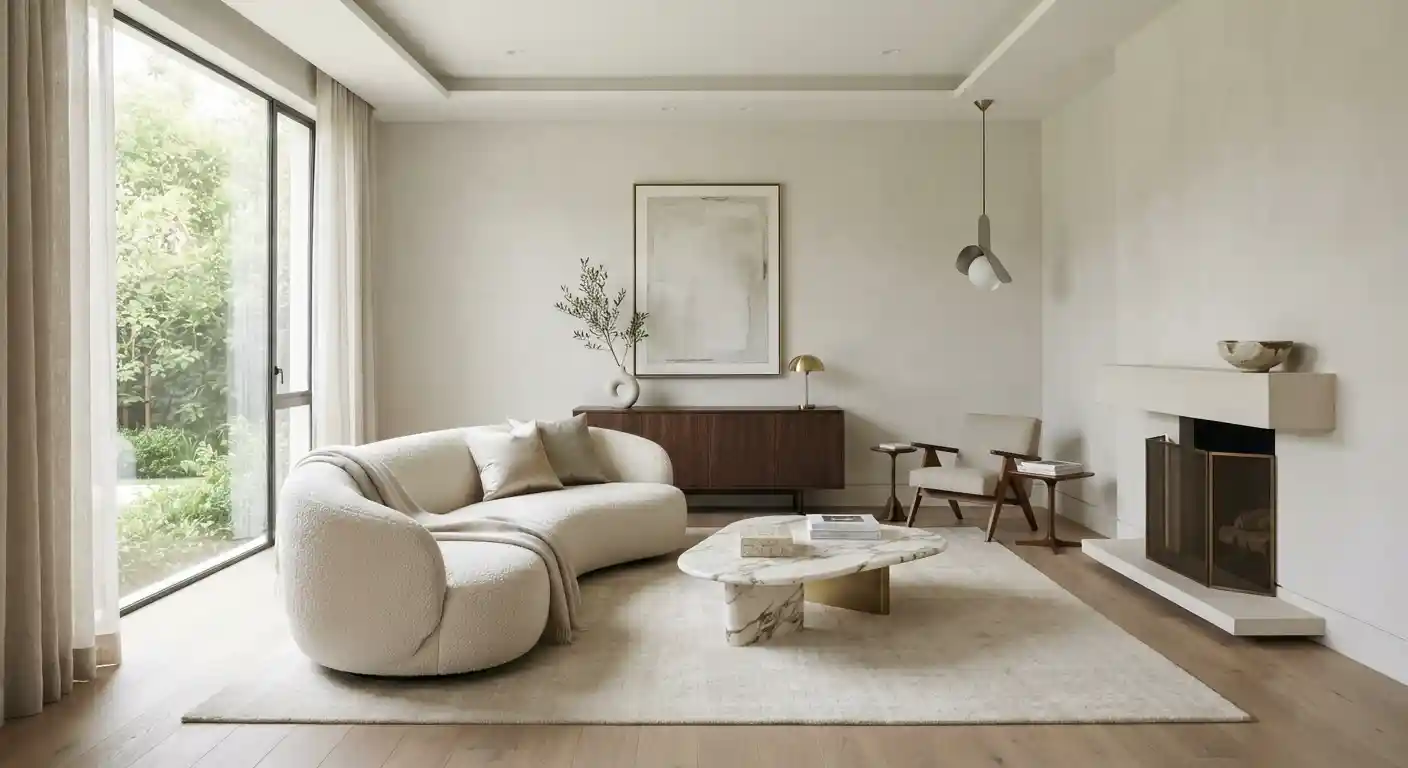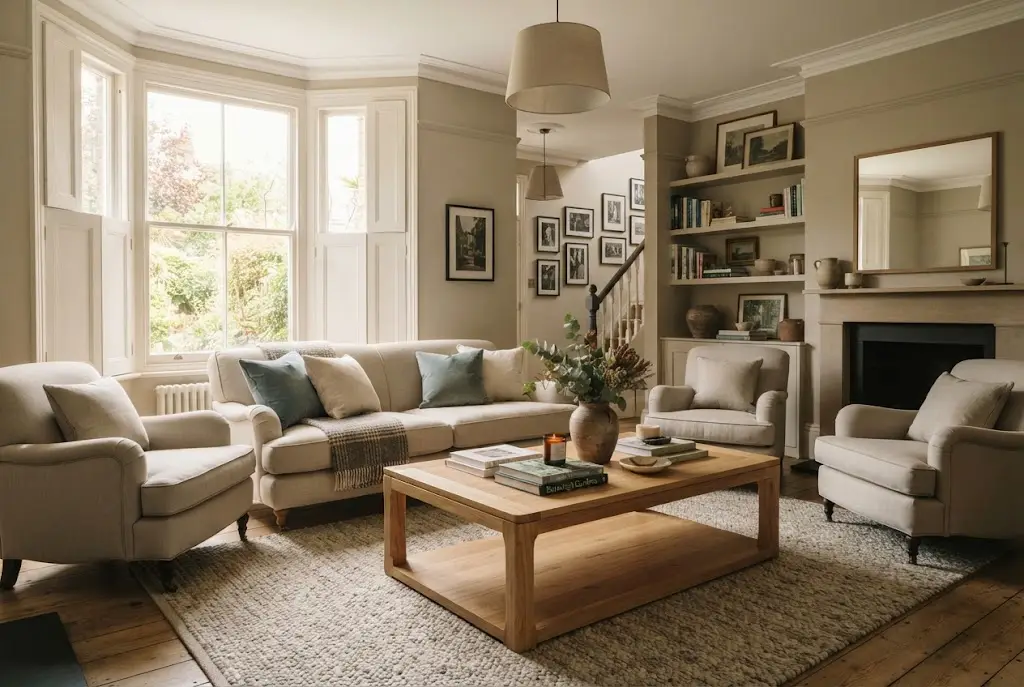

A coffee table can be much more than a convenient place for drinks and books. In a well-designed living room, it helps define the seating area, provides useful storage or display space, and can add another layer of texture and character to the overall interior. Choosing the right shape, material and size is therefore important, particularly when working with the proportions of a UK living room.
Whether you prefer a contemporary glass design, a warm wooden finish, a practical storage option or a compact piece for a smaller space, the best coffee table should balance appearance with everyday practicality. It should also work naturally with your sofa, chairs, flooring and other furniture rather than dominating the room.
Why a Coffee Table Matters in Living Room Design
The area between your seating is often the visual centre of a living room. A well-proportioned coffee table can bring the sofa and chairs together, creating a more organised and comfortable arrangement.
It also provides a practical surface for everyday items. Books, magazines, remote controls, drinks and decorative accessories can all have a designated place without being scattered across the rest of the room.
For homes where flexibility is important, the table can also become part of seasonal styling. A simple arrangement of candles, a vase or carefully selected accessories can complement soft furnishings such as a Christmas throw and festive cushions during the holiday season.
How to Choose the Right Coffee Table
The right table starts with the dimensions of the room and the furniture around it. Before buying, measure the available floor area and consider the distance between the table and the sofa.
A table that is too large can make a room feel cramped, while one that is too small may look disconnected from the seating arrangement. Ideally, there should be enough space to move comfortably around it while keeping commonly used items within easy reach.
Height is equally important. A table that sits at a similar height to the seat cushions usually creates a balanced appearance. However, lower tables can work well in relaxed contemporary interiors, particularly with low-profile sofas.
Coffee Table Decor: Keeping the Surface Balanced
Coffee table decor should add personality without making the surface difficult to use. One of the simplest approaches is to create a small grouping rather than covering the entire tabletop.
A tray can provide structure for smaller items such as candles, a vase and decorative objects. Books can introduce height and interest, while a plant or seasonal arrangement can add natural texture.
Try combining objects with different heights and shapes. A tall vase beside a low stack of books, for example, creates more visual interest than several objects of exactly the same height.
Remember that the table remains a functional piece of furniture. Leave enough clear space for placing a cup or serving drinks when guests are visiting.
When a Coffee Table Set Makes Sense
A coffee table set can be particularly useful when you want flexibility in the living room. Sets containing two or more tables can be separated when additional surface space is required and grouped together when the room needs a more compact arrangement.
Nesting tables are another practical variation. Smaller tables can slide underneath the larger one, allowing you to expand the surface when needed without permanently taking up the additional floor area.
This flexibility can be valuable in homes where the living room serves several purposes, from everyday family use to entertaining guests.
Benefits of a Storage Coffee Table
A storage coffee table can solve a common living room problem: keeping everyday items organised without adding another large piece of furniture.
Depending on the design, storage may come in the form of drawers, shelves, lift-up compartments or baskets. These spaces can be useful for remotes, magazines, books, blankets and other items that you want nearby but out of sight.
Storage tables are especially practical for busy family homes. Instead of leaving frequently used items on open shelves, they can be placed inside the table when the room needs to look tidier.
However, storage should not come at the expense of proportion. A large storage unit may be less suitable for a compact living room if it restricts movement around the seating area.
Choosing a White Wood Coffee Table
A white wood coffee table can work particularly well in bright, contemporary or country-inspired interiors. White finishes reflect light and can make furniture appear visually lighter, while wood introduces natural warmth and texture.
This combination is versatile because it can complement a wide range of colours. Neutral sofas can be paired with soft beige, green or grey accessories, while more colourful interiors can use the table as a quieter foundation.
White wood also works well when you want the living room to feel fresh and uncluttered. Keep the surrounding accessories relatively restrained so that the furniture remains part of a coherent scheme.
The Appeal of a Wooden Coffee Table
A wooden coffee table brings natural character into the living room. Wood grain can add subtle variation to a space, making it especially useful when the rest of the furniture contains smooth or plain surfaces.
Different wood tones create different effects. Pale timber can support a light Scandinavian-inspired interior, while darker wood can create a richer and more traditional atmosphere.
Wood is also easy to coordinate with other natural materials. A wooden table can sit comfortably alongside woven baskets, textured cushions, rugs and other tactile furnishings.
For a warm festive interior, natural wood can also complement seasonal greenery and a Christmas garland without making the room feel overly decorated.
Coffee Table Wood Finishes and Interior Styles
When considering coffee table wood finishes, think about the existing furniture rather than choosing a table in isolation.
If the room already contains several different wood tones, introducing another dramatically different finish can make the interior feel disjointed. Instead, look for a finish that either matches an existing piece or provides a deliberate contrast.
For modern rooms, simple silhouettes and smooth finishes can create a clean appearance. Traditional interiors may suit turned legs, darker finishes or more detailed craftsmanship.
The shape of the table matters too. Rectangular tables often work naturally with larger sofas, while round or oval designs can soften rooms dominated by straight lines.
Choosing a Coffee Table for Small Living Room Spaces
A coffee table for small living room spaces needs to provide useful surface area without making movement difficult. Compact dimensions, rounded corners and visually light designs can all help.
Consider nesting tables if flexibility is important. Alternatively, a narrow rectangular table may provide sufficient space without extending too far into the walkway.
Storage can also be valuable in a smaller room, but avoid selecting a bulky design simply because it offers more compartments. The most useful piece is the one that solves a practical problem while preserving enough open floor space.
Before purchasing, mark the proposed table dimensions on the floor using masking tape. This simple exercise can give you a better sense of how much space the furniture will occupy.
Matching a Coffee Table With Your Sofa
The sofa is usually the largest visual element in a living room, so the table should complement it rather than compete with it.
A substantial sofa can support a larger or heavier table, while a slim sofa may look better with a lighter design. Consider the relationship between the table’s width and the sofa rather than simply choosing a table based on its appearance in isolation.
Colour is another consideration. A neutral table can provide flexibility if you regularly change cushions, throws and other accessories. This is particularly useful for seasonal decorating because the same furniture can support different looks throughout the year.
Styling a Coffee Table for Everyday Use
A practical everyday arrangement should be easy to move when the table is needed. Avoid filling every corner with decorative objects.
Start with one central feature, such as a bowl, plant or vase. Add a small stack of books or a tray if additional height and structure are needed. Keep frequently used areas clear.
If you regularly entertain, leave enough space for drinks and serving dishes. A beautiful table that cannot be used comfortably is unlikely to work well in a busy household.
Seasonal Coffee Table Styling
One advantage of a simple coffee table is that it can be restyled throughout the year. During Christmas, for example, a small arrangement of greenery, candles and seasonal ornaments can create a festive centrepiece.
Keep the arrangement coordinated with other decorations rather than introducing an unrelated colour scheme. If the room features a fireplace mantel display, repeating one or two colours from the Christmas garland mantel can create visual continuity.
Seasonal soft furnishings can reinforce the same idea. A neutral sofa combined with festive cushions and a textured throw can make the room feel seasonal without requiring permanent changes.
Using a Coffee Table With a Dining and Open-Plan Space
In open-plan homes, furniture helps define different areas without requiring physical walls. A coffee table can help establish the centre of the living zone while the dining furniture creates a separate eating area.
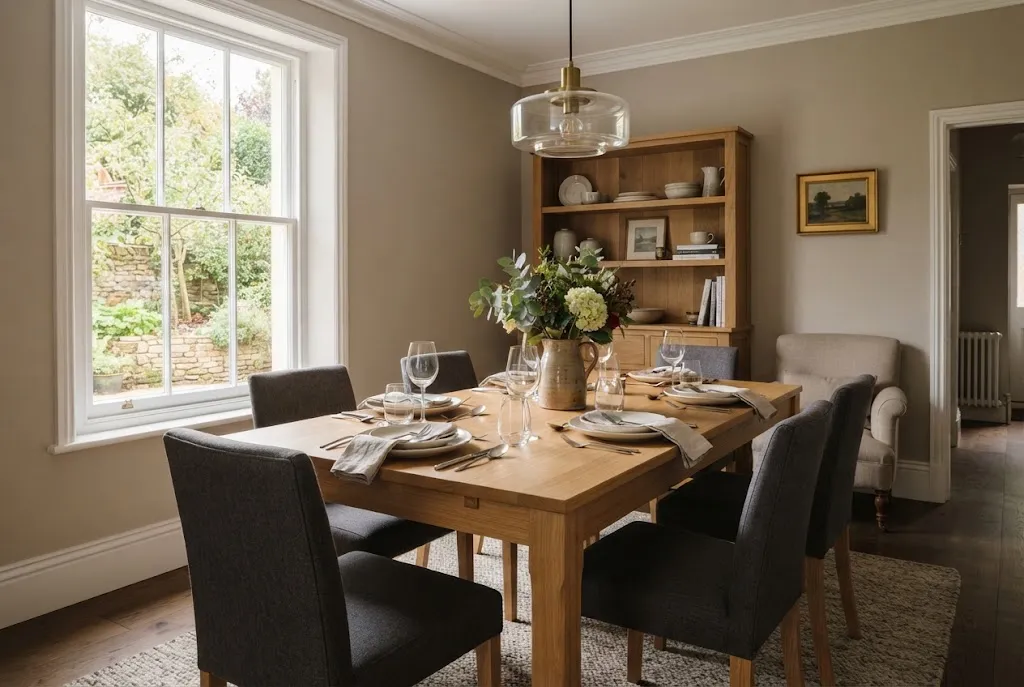
If you are furnishing the wider space, consider how the table relates to your dining table and chairs. The pieces do not need to match exactly, but repeating materials, colours or design details can make the overall space feel intentional.
Similarly, coordinated tableware can add seasonal detail to the dining zone without disrupting the living room scheme.
Common Coffee Table Mistakes to Avoid
One of the most common mistakes is choosing a table based entirely on appearance. A beautiful design may still be unsuitable if its dimensions make the room difficult to navigate.
Another mistake is overdecorating the surface. Too many accessories can make the room feel cluttered and leave little usable space.
It is also worth avoiding furniture that introduces too many competing finishes. If your living room already has several strong materials, a simpler table may provide a more balanced result.
Finally, do not overlook maintenance. Consider how easily the surface can be cleaned and whether its finish suits the way your household uses the room.
Building a Cohesive UK Living Room
A successful living room combines comfort, practicality and visual balance. The coffee table plays an important role because it sits at the centre of the seating arrangement and is both seen and used every day.
Choose the size based on your available space, select a material that complements your existing furniture and style the surface with restraint. If storage is important, look for a design that provides useful compartments without becoming visually bulky.
For smaller homes, prioritise flexible furniture and preserve clear walking routes. For larger rooms, use the table to anchor the seating area and create a strong central focus.
Most importantly, treat the coffee table as part of the wider interior rather than an isolated purchase. When it works with your sofa, textiles, lighting and other furniture, even a relatively simple design can make the entire living room feel more complete.
Whether you choose a wooden coffee table, a white wood finish, a storage design or a compact option, the best choice is ultimately the one that fits your space and supports how you actually live in it.